
How to Unpack Efficiently After a Big Move
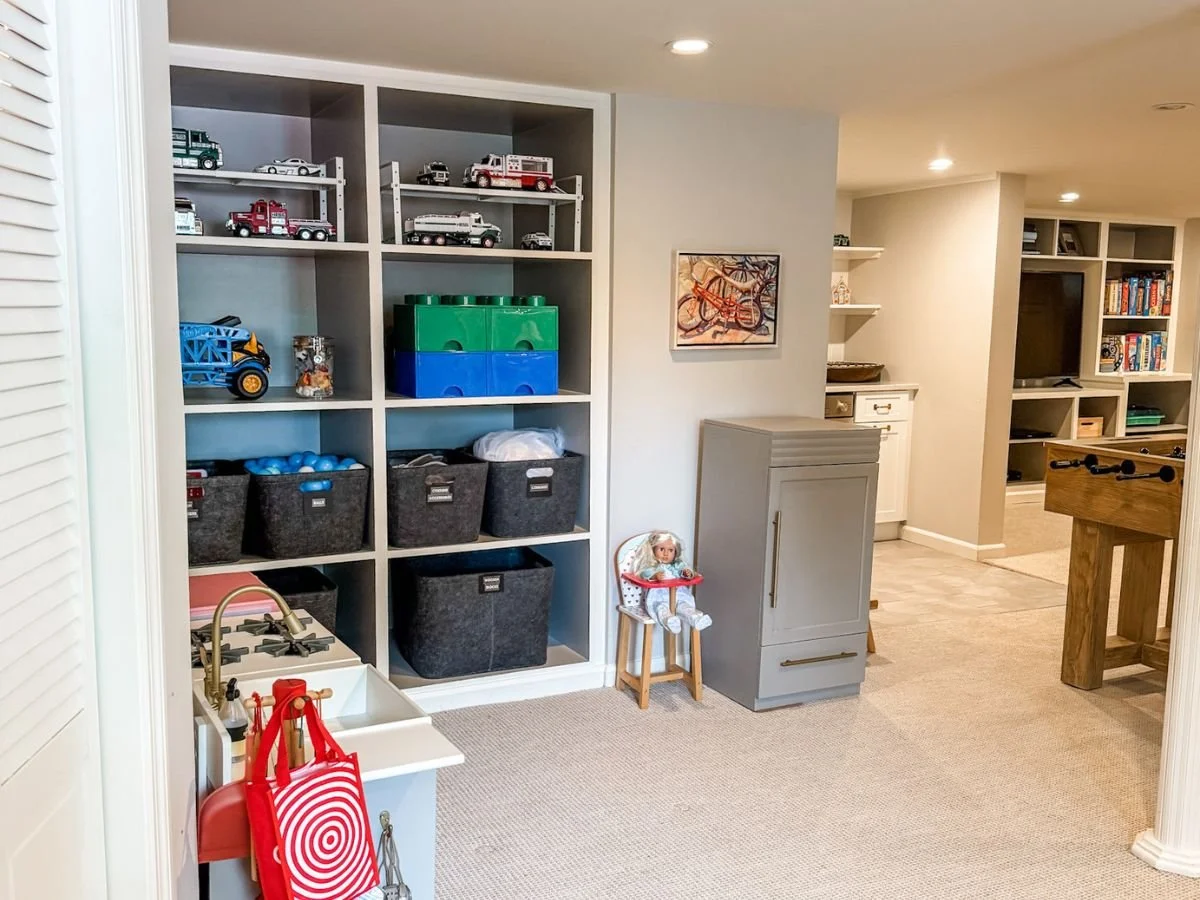
Moving day is over, the truck is gone, and now you’re standing in a new home surrounded by boxes. At this point, figuring out how to unpack after moving can feel like a second full-time job.
The good news is that you do not have to take everything out of all your boxes immediately. With an organized approach, it will take you way less time to get your new home ready and functional.
At Everyday Order, we help families unpack, organize, and settle into their homes, so we’ve seen what makes the process easier and what tends to slow it down. The key is simple: unpack by priority, not by box.
Before You Open a Box, Make a Plan
It’s tempting to grab the nearest box cutter and start opening everything in sight. That usually creates more clutter.
Before you begin, spend 15 to 20 minutes setting up your space.
First, make sure each box sits in the right room. Kitchen boxes should go to the kitchen, bedroom boxes to the bedrooms, and so on. If movers stacked everything in the garage or living room, sorting boxes now will save you a lot of walking later.
Next, create a small unpacking station with:
- 🔪 Box cutters
- ✂️ Scissors
- 🗑️ Trash bags
- ♻️ Recycling bags
- 🧽 Cleaning supplies
- 🛠️ Basic tools
- 🗒️ Sticky notes or labels
Break down your empty boxes while unpacking. Few things can add more chaos to your new home than boxes of all sorts piled up on the floor.
The best way to unpack after moving is to complete one useful area at a time instead of opening five rooms at once.
Your 48-Hour Unpacking Checklist
If you’re trying to figure out how to unpack after moving quickly, think about what you need to live comfortably first.
Forget perfection for now. Your goal is function.
Day 1. Make the Home Livable
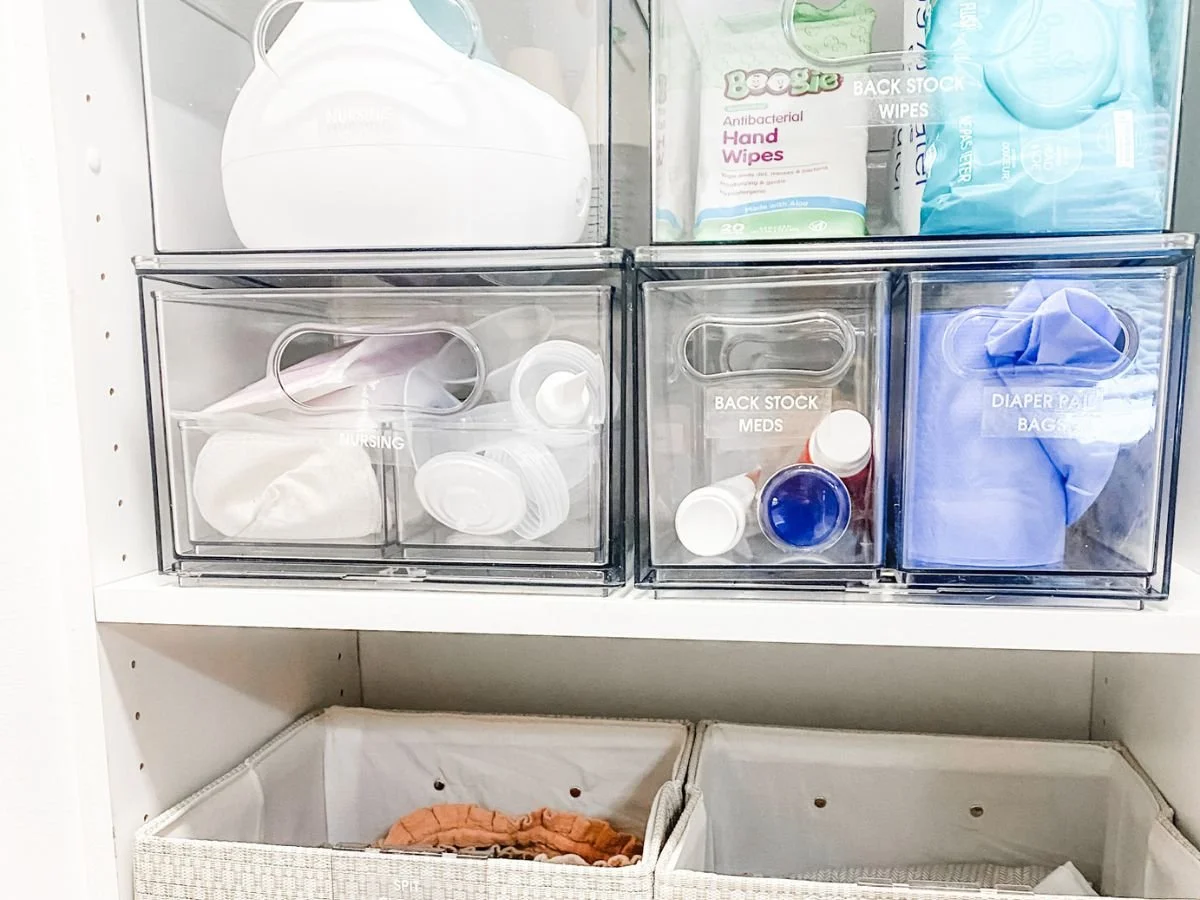
Start With Your Essentials
Keep your essentials box handy but dont unpack yet as its best to wait to unpack like with like (bathroom with bathroom, office items with the office):
Medications
Toiletries
Phone chargers
Important documents
Pajamas and a change of clothes
Pet supplies
Kids’ essentials
Basic cleaning products
Ideally, you packed these items in an essentials box or overnight bag. If not, track them down before you start unpacking anything else.
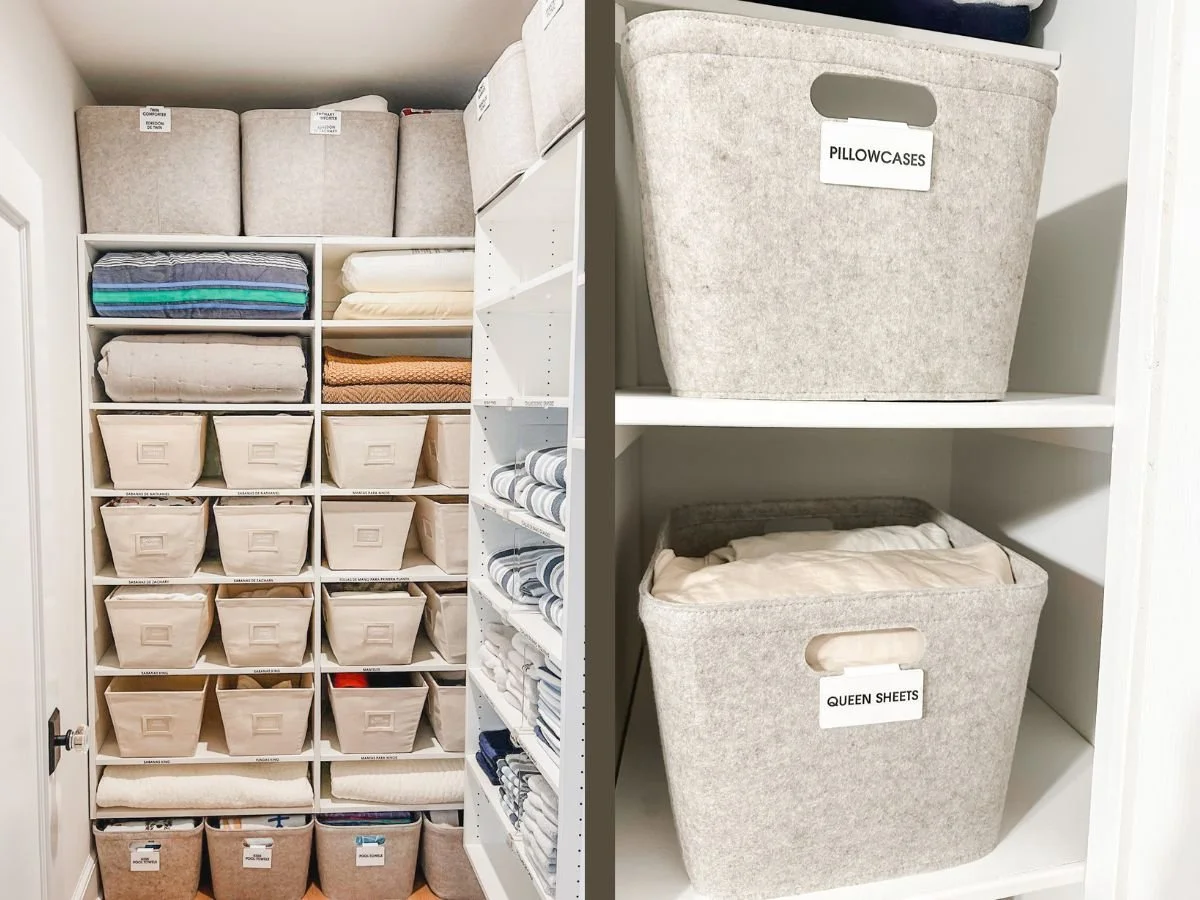
Make the Bathrooms Functional
Next, tackle the bathrooms.
Set out toilet paper and soap. You can organize everything later.
Set Up the Beds
A comfortable place to sleep should sit near the top of your list.
Assemble beds, add clean sheets, find pillows, and unpack a few days of clothing. You don’t need to create a picture-perfect closet yet.
After a long moving day, you’ll appreciate having a real bed ready more than perfectly arranged shoes.
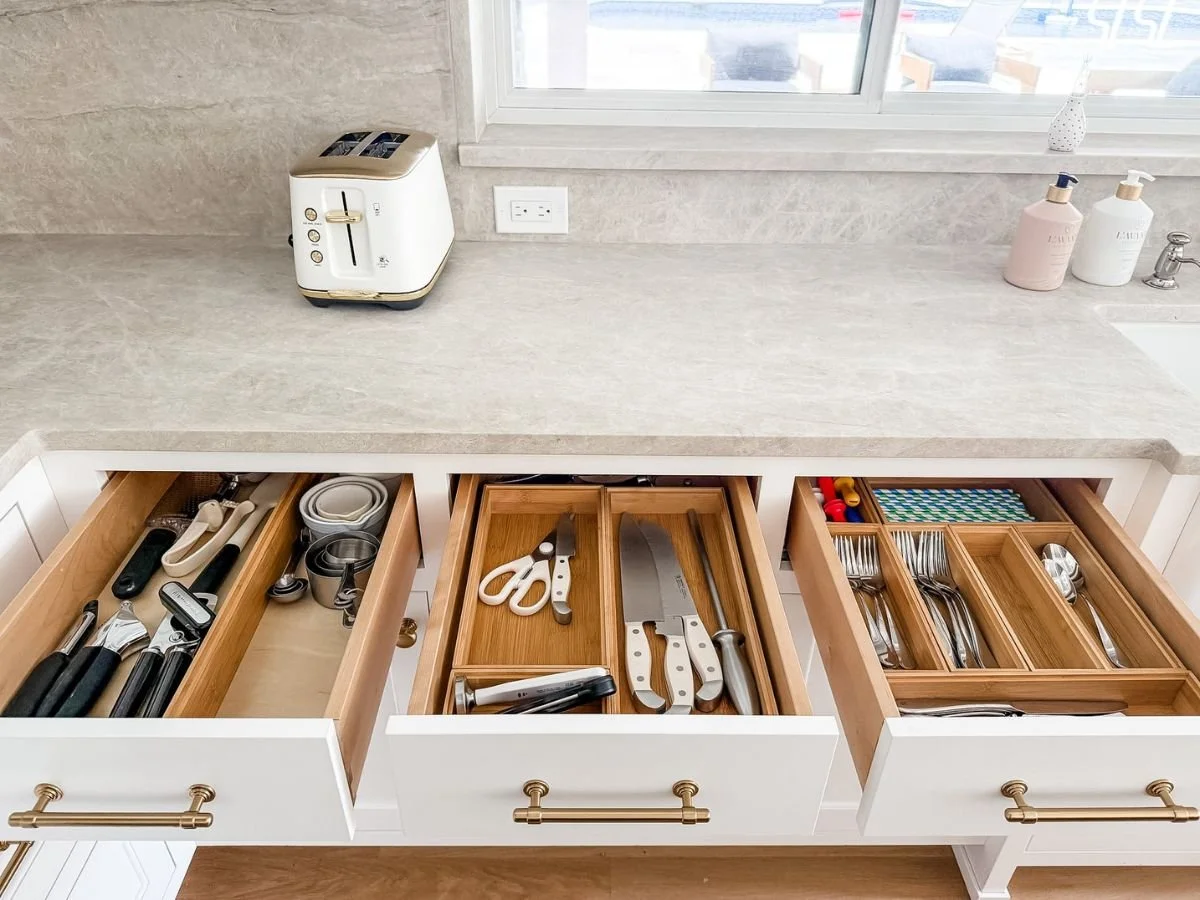
Unpack the Kitchen
The kitchen often takes the most time, so focus on what you use every day.
Start with:
Plates and bowls
Cups and glasses
Silverware
Coffee or tea supplies
Pots and pans
Food storage containers
Basic pantry items
Frequently used appliances
While unpacking, form simple zones. Place coffee items together. Keep utensils close to the stove. Have dishes near the dishwasher where feasible.
This is where how to unpack and organize after moving becomes one process instead of two. If you put things away with a purpose now, you won’t need to reorganize the whole kitchen next month.
At Everyday Order, our Unpacking + Organizing work follows this same idea. We focus on creating systems around how people actually use their homes, not just getting boxes empty.
Day 2. Continue Unpacking
When your needs have been met, you can concentrate on the areas that help ensure daily activities continue to operate efficiently on Day 2.
Set Up Kids’ Spaces
If you have children, unpack those things that will keep them busy so you can focus on unpacking.
Begin with their toys, then clothes, books from school, and bedtime activities. Sort the toys into basic groups such as construction toys, arts and crafts materials, games, and stuffed animals.
Simple systems tend to last longer than complicated ones, especially when kids need to help clean up.
Bedrooms and Closets
Classify your clothes according to types and keep those that you use frequently within easy reach.
Jeans, work clothes, workout gear, and everyday shoes should get priority space. Formal clothes or off-season items can go higher up or farther back.
Try not to rush out and buy a dozen organizing bins before you understand the closet. Measure first. Live with the space for a bit. Then choose products that solve an actual problem.
Organize the Main Living Areas
Now turn to the living room or family room.
Find homes for remotes, chargers, blankets, games, books, and everyday electronics. Try to keep large surfaces fairly clear at first. Décor can wait.
Your family will benefit more from knowing where the Wi-Fi router and phone charger are than from having every framed photo placed by lunchtime.
Save Storage Areas for Last
Garages, guest rooms, attic spaces, and long-term storage closets can wait until your main living spaces work well.
That’s especially true in Orange County homes, where the garage often has to handle a mix of sports gear, beach equipment, tools, storage bins, and household extras.
Focus on the rooms you use every day before you spend hours sorting holiday decorations.
How to Unpack and Organize After Moving Without Creating More Clutter
One of the biggest unpacking mistakes is giving every item a random home just to get it out of a box.
Instead, ask yourself, “Where would I naturally look for this?”
Keep your lunch-making items together. Keep your dog leashes near the door where you take them walking. Keep the children’s backpacks near the entrance door.
The goal isn’t to fill empty cabinets. It’s to make daily life easier.
You should also keep a donation box nearby while unpacking. Moving has a funny way of revealing belongings you don’t really want anymore.
If you unpack a kitchen gadget and immediately wonder why you moved it, that may be your answer.
Common Unpacking Mistakes That Slow You Down
Even a good unpacking checklist can fall apart if you try to do too much at once.
A few common mistakes include:
- 📦 Opening several boxes without finishing any of them
- 🖼️ Starting with artwork and décor
- 🛍️ Buying storage products too soon
- 🎲 Moving random items into drawers without a system
- 📭 Keeping empty boxes around for days
- 💯 Trying to make every room perfect immediately
Another mistake is assuming you have to handle the entire process alone.
Large homes, tight move-in schedules, young kids, work demands, or renovation projects can make unpacking much harder. Professional unpacking or relocation help can take some of that pressure off.
Everyday Order also provides Concierge Relocation Services for households that want help coordinating the move and getting belongings into the right places from the start. It isn’t necessary for every move, but it can make a major difference when time is tight.
How Long Does It Take to Unpack After Moving?
There’s no single answer.
A smaller home with well-labeled boxes may come together quickly. A large home with kids, storage areas, and years of belongings may take much longer.
Your timeline depends on:
- 🏠 Home size
- 📦 Number of boxes
- 🧳 How well you packed
- 👥 How many people can help
- 🚮 Whether you decluttered before moving
- 📋 How much organizing you want to complete
The Best Way to Unpack After Moving Is to Focus on Real Life
Learning how to unpack after moving isn’t really about opening boxes faster. It’s about helping your new home support your routines as soon as possible.
Start with sleep, hygiene, meals, clothing, work, school, and everyday family life. Then move on to storage and décor.
At Everyday Order, we’ve found that the best organizing systems usually aren’t the fanciest. They’re the ones that make it easy to find what you need, put things away, and move through your day with less stress.
Your new home doesn’t have to look finished in 48 hours. It just needs to start feeling like home.