
What to Pack First When Moving to Save Time and Sanity
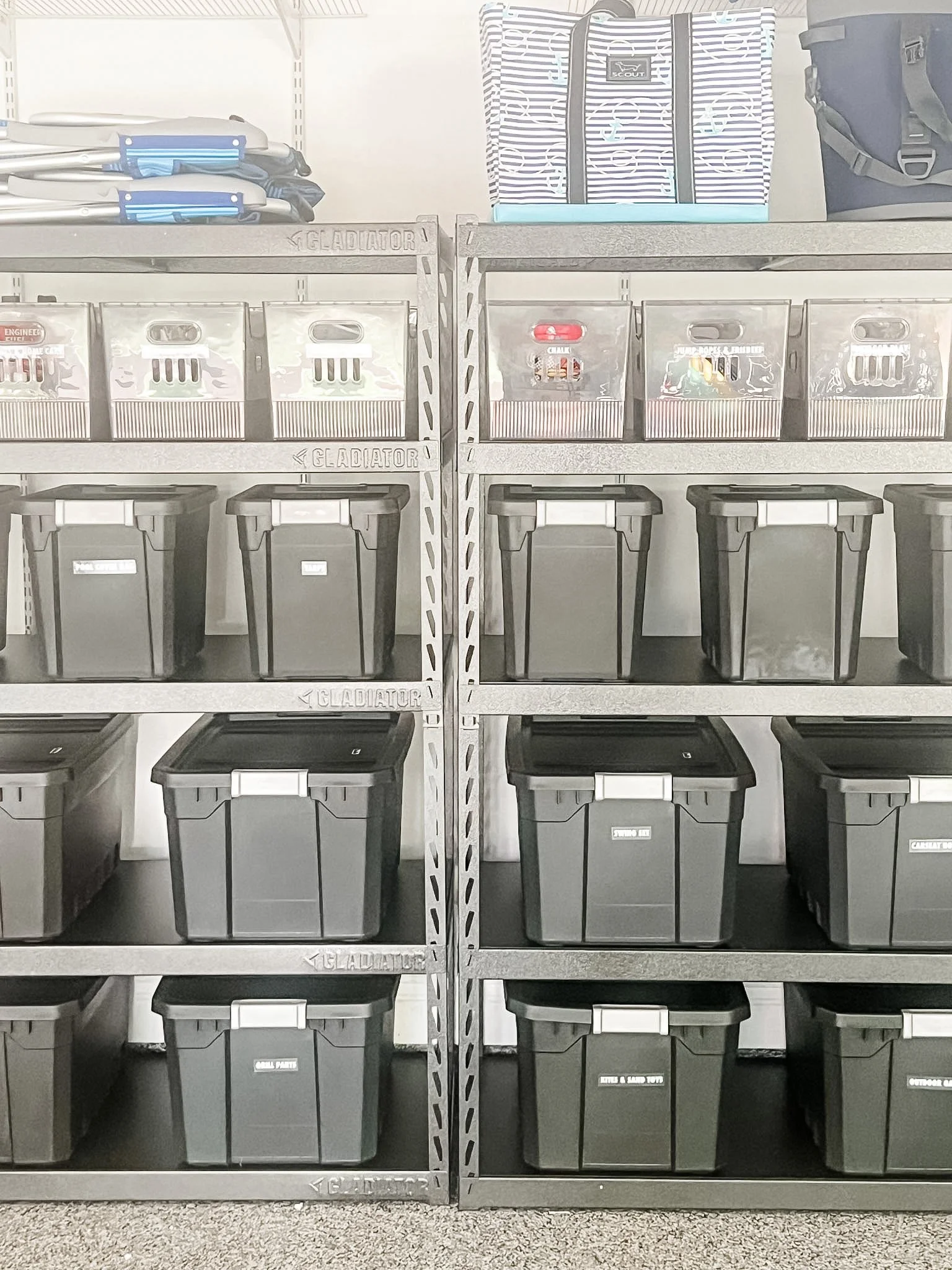
Moving can feel overwhelming, way before moving day even shows up. For most people, the hardest part isn't really the physical act of packing; it's more like, where do I start? When there's no clear plan in place, people often waste time packing things they still use; later, they're digging through boxes to find the basics, or they just get more and more stressed because it all feels out of control.
If you know what to pack first when moving, you get an actual starting point, and the whole relocation feels less chaotic. Whether it’s a nearby move, a cross-country journey, or a full household transition, having some organized structure can cut down on time and reduce that pressure.
The real trick is the order: pack in the right sequence. Begin with spaces you touch the least, then slowly move toward day-to-day essentials, and set up a realistic moving packing schedule so the process stays manageable from the first box to the last.
What to Pack First When Moving Starts With Low-Use Areas
The best place to start packing is those spots with the least impact on your day-to-day routine. In many cases, they have stuff you can put in boxes weeks before the move without really messing up your lifestyle, or at least not in a major way.
Starting with low-use areas helps you build momentum and creates visible progress early in the moving process.
Pack Storage Spaces Before Everyday Rooms
Storage areas are usually the easiest places to begin because most items stored there are not needed regularly.
Start With
The spaces that tend to hold the most
- 🏚️ Attics
- 🕯️ Basements
- 🚗 Garages
- 🚪 Storage closets
- 🛏️ Guest rooms
- 🎄 Seasonal decorations
These spaces sometimes hold holiday stuff, extra household supplies, maybe keepsakes too, and personal belongings that have not been used for months, or years, honestly.
Packing these areas first also gives you a chance to reduce clutter before your move. Instead of bringing everything with you, decide what should be kept, donated, sold, or discarded.
Create a Moving Packing Timeline Before Moving Day
A successful move does not happen by packing everything at once. A structured moving packing timeline allows you to break the process into smaller steps and avoid last-minute stress.
Your timeline should focus on packing items based on how frequently you use them.
Six to Eight Weeks Before Moving
The first stage should focus on planning and organizing. Before packing boxes, walk through your home and sort your belongings into these categories.
This step prevents unnecessary items from taking up space during your move and makes unpacking easier once you arrive at your new home.
Four to Six Weeks Before Moving
Begin packing items that are useful but not essential to your everyday routine. Examples include the following.
Clearly label each box with the room where it belongs, what it contains, and the priority level. A simpler labeling system can save hours during unpacking.
Two to Three Weeks Before Moving
At this point, begin packing functional spaces, but keep the daily essentials still easy to reach. Do not go too far, just enough that everything stays workable. Try to focus on guest bedrooms, home office supplies, extra linens, entertainment items, and additional kitchen supplies. It seems like a lot, but it is more manageable when you do it in small runs.
Continue reducing the number of items you use daily as moving day approaches.
One Week Before Moving
The final week should focus on preparing essentials and completing the remaining rooms. Keep easy access to the following.
Prepare a separate essentials box that you can open immediately after arriving.
Packing Tips for Moving That Make the Process Easier
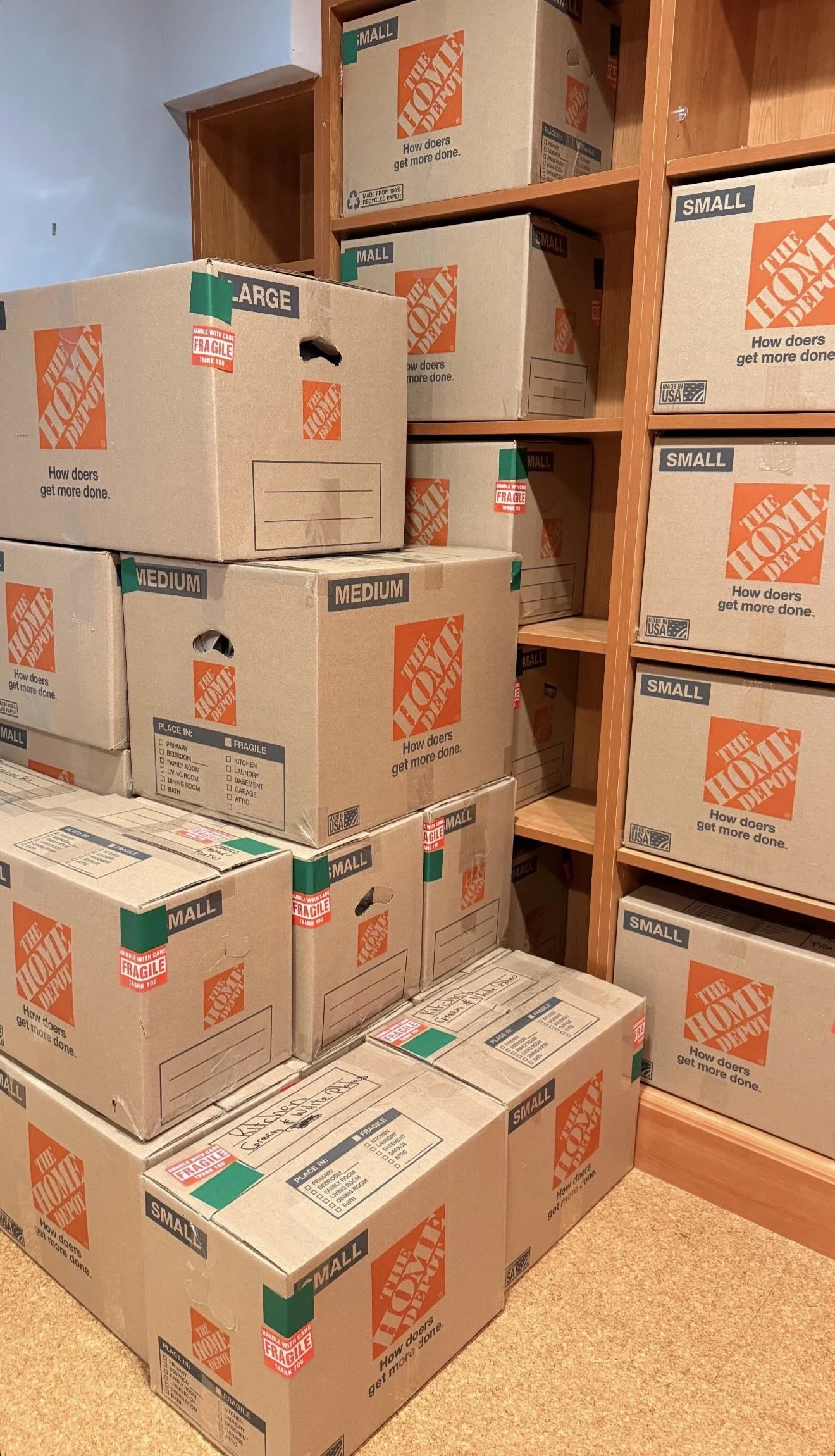
Following the right packing tips for moving can help prevent common mistakes and make your transition more organized.
Label Boxes With Your Future Home in Mind
Many people label boxes only by room, but adding more details can make unpacking much easier. Consider including the following.
For example, instead of labeling a box "Kitchen," you can go with a "Kitchen coffee supplies open first" idea. It sounds a little odd, but that small tweak helps you locate important things faster right after your move.
Pack Based on Usage Instead of Room Order
A common mistake is trying to finish one room before moving to another. This can make daily life difficult because you may pack things you still need. A better approach is to follow this order.
This strategy keeps your home functional, while letting steady progress actually happen, little by little.
Keep Important Documents Separate
Some things, like belongings, really should not go into moving boxes, ever. Also, it's obvious, but people forget, fragile items, documents, and anything important should stay with you instead. It is the handy way of moving it with care.
Having these items within reach gives a bit of peace of mind for the whole moving process, not only at the beginning. It helps you feel steadier as things move along, even when the timeline gets a little messy.
Planning for a Cross Country Move Requires Extra Preparation
A cross-country move involves more planning than a local relocation. When your belongings are traveling a long distance, you need to think carefully about what you pack, what you keep accessible, and what you will need immediately after arrival.
Before a Long-Distance Move, Consider
A few key steps to keep the transition smooth
- 📋 Creating a detailed inventory
- 📦 Packing according to priority
- 🏠 Preparing arrival essentials
- 🧹 Reducing unnecessary belongings
- 🗓️ Planning your transition schedule
The further you move, the more organization starts to matter. With a carefully mapped packing setup, you can cut down on delays and make it simpler to settle into your new home.
For many households, managing every detail alone can become overwhelming. Professional support can help simplify the process and create a more seamless moving experience.
How Concierge Relocation Services Simplify Moving
Packing is just one small part of relocating, but people often think it’s basically everything. Really, they underestimate the time it takes to sort belongings, align schedules, coordinate service providers, and properly prep the new home. It’s more like a chain of small steps, and it adds up sooner than you expect.
Concierge relocation services provide personalized support throughout the moving process. Instead of handling every detail alone, clients can rely on experienced professionals to manage the logistics and create a smoother transition.
Relocation Support May Include
- 🏡 Home organization before moving
- 📦 Professional packing assistance
- 🗝️ Unpacking and home setup
- 🤝 Vendor coordination
- 🗓️ Move planning
- 💛 Personalized relocation support
For busy professionals, families, and anyone managing a major transition, outsourcing these responsibilities can save significant time and reduce stress.
Start Packing Early for a More Organized Move
The answer to what to pack first when moving is simple. Begin with the items and spaces you need the least.
If you start with the storage areas, you can make progress without messing up your normal daily routine, and it feels calmer. After that, just keep going by following a structured moving packing timeline, then use practical packing tips for relocating, little by little. Finally, make sure you prepare carefully for the last few days before the actual relocation, so nothing surprises you.
Whether you are planning a local transition or a cross-country move, the right strategy can make the experience feel more manageable.
And when the process becomes too time-consuming, professional concierge relocation services can provide the organization and support needed to make the move smoother from start to finish.
A successful relocation is not just about packing boxes. It is about creating a system that helps you begin your next chapter with confidence and less stress.