
How to Organize a Walk-In Closet for Orange County Weather All Year Long
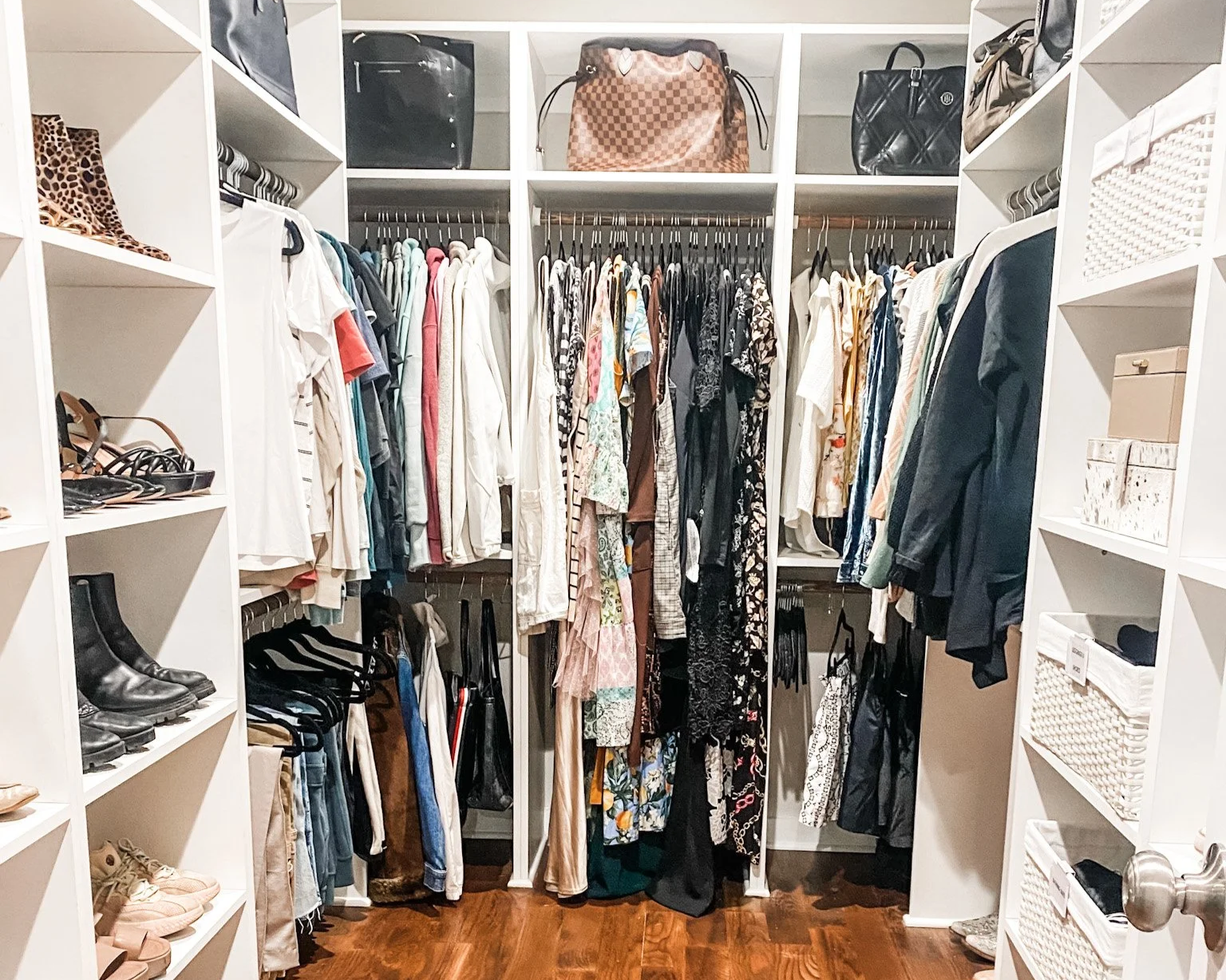
Orange County living calls for a different kind of closet system. Unlike places with dramatic seasonal changes, most Orange County wardrobes do not need to be packed away every few months. Instead, your walk-in closet should be designed for year-round access, lightweight layers, activewear, resort pieces, polished everyday outfits, and proper care for luxury fabrics.
A well-organized walk-in closet should feel like a personal boutique. It should be easy to shop from, simple to maintain, and customized around how you actually live. Whether your days include school drop-off, work meetings, Pilates, beach walks, dinner reservations, travel, or casual weekends, your closet should support your routine without feeling crowded or overwhelming.
Start With a Thoughtful Walk-In Closet Edit
Before adding baskets, hangers, bins, or labels, begin with an intentional edit. A premium closet should not hold every piece you have ever owned. It should hold the clothing, shoes, and accessories that fit your current lifestyle, body, personal style, and daily routine.
Start by sorting items into categories: tops, bottoms, dresses, denim, layers, activewear, swimwear, shoes, handbags, accessories, and occasionwear. Reviewing items by category helps you see duplicates, gaps, and pieces that no longer serve you.
Ask yourself whether each item fits, feels current, and works for your Orange County lifestyle. Do you actually wear it? Does it pair well with other pieces? Is it in good condition? Would you buy it again today?
For luxury pieces, the decision may differ slightly. A designer dress, silk blouse, cashmere wrap, or investment handbag may not be worn every week, but it still deserves proper storage if it has value, meaning, or function in your wardrobe.
Once you finish editing, separate items into keep, donate, sell, tailor, repair, and relocate. Anything that does not belong in the closet should be removed before you design the final system.
Walk-In Closet Ideas for Orange County Living

The best walk-in closet ideas are not only beautiful but also functional. They are practical, easy to maintain, and designed around your daily routine. In Orange County, that means creating zones that work for mild weather, active lifestyles, coastal humidity, and year-round dressing.
Instead of organizing only by clothing type, think about how you actually get dressed. Your closet should have dedicated areas for everyday favorites, lightweight layers, activewear, shoes, handbags, accessories, occasionwear, and luxury fabrics.
Everyday Wardrobe Favorites
Your most-used pieces should live in the closet's easiest-to-reach section. This may include denim, neutral tops, casual dresses, button-downs, lightweight sweaters, and go-to jackets. These are the pieces you reach for several times a week, so they should be visible and simple to put away.
Use matching hangers to create a clean, boutique-style look. Group clothing by category first, then by color. This speeds up outfit planning and gives the closet a more polished appearance.
Lightweight Layers for Mild Weather
Layers are essential for Orange County weather. Instead of packing them away, give them a dedicated section that stays accessible all year. This zone may include linen blazers, denim jackets, cotton cardigans, lightweight sweaters, button-down shirts, wraps, and casual outerwear.
Keep these pieces easy to see so you can grab them on cool mornings, coastal evenings, or days when you move between indoor and outdoor spaces. Avoid overstuffing this section, especially with knits or delicate fabrics, because crowding can cause wrinkles and misshaping.
Activewear Closet Organization
Activewear closet organization is especially important in Orange County, where workout clothing often doubles as everyday wear. Between Pilates, tennis, golf, hiking, beach walks, errands, and casual work-from-home days, activewear is not just for exercise. It is part of the weekly wardrobe.
Create drawer zones for leggings, tanks, sports bras, shorts, sweatshirts, and matching sets. Drawer dividers are especially helpful because they prevent pieces from becoming tangled or buried. If you prefer wearing coordinated sets, store them together so getting dressed is quicker.
Keep your most-used activewear in prime drawer space. Specialty items, like ski layers or rarely used gear, can be tucked up higher or placed in labeled bins so they are easier to find later and not all mixed up.
Occasionwear and Luxury Pieces
Even if your daily style is casual, occasionwear and luxury pieces need a dedicated area. Cocktail dresses, formalwear, silk blouses, designer jackets, cashmere, leather, suede, and special-event shoes should not be squeezed between everyday clothing.
Give these items space to breathe. Avoid using plastic dry-cleaning bags for long-term storage, as they can trap moisture.
Handbags should be stored upright when possible and lightly stuffed to help maintain their shape. Dust bags are helpful, but they should be easy to identify. If every bag is hidden in an identical pouch, consider adding labels or photo tags so you can find what you need without opening each one.
How to Create a Luxury Walk-In Closet Feel
A luxury walk-in closet does not have to mean a complete renovation. Often, the elevated feeling comes from thoughtful editing, consistent products, clear zones, and a layout that makes your wardrobe easy to enjoy.
Start by using matching hangers, clean drawer dividers, shelf separators, and coordinated bins or baskets. Display handbags with enough space between each piece, keep shoes aligned by style or color, and avoid overcrowding shelves. A luxury walk-in closet should feel calm and intentional, not packed to capacity.
Lighting also makes a major difference. If your closet feels dark, consider adding soft lighting where appropriate, especially near handbags, shoes, or accessory drawers. Clear visibility helps you use more of what you own and gives the space a boutique-inspired feel.
Small details matter too. A jewelry tray, labeled bins for lesser-used items, a dedicated donation bag, and a place for tailoring can make the closet easier to maintain. These finishing touches help the space feel polished while still supporting real life.
Protect Clothing From Coastal Humidity
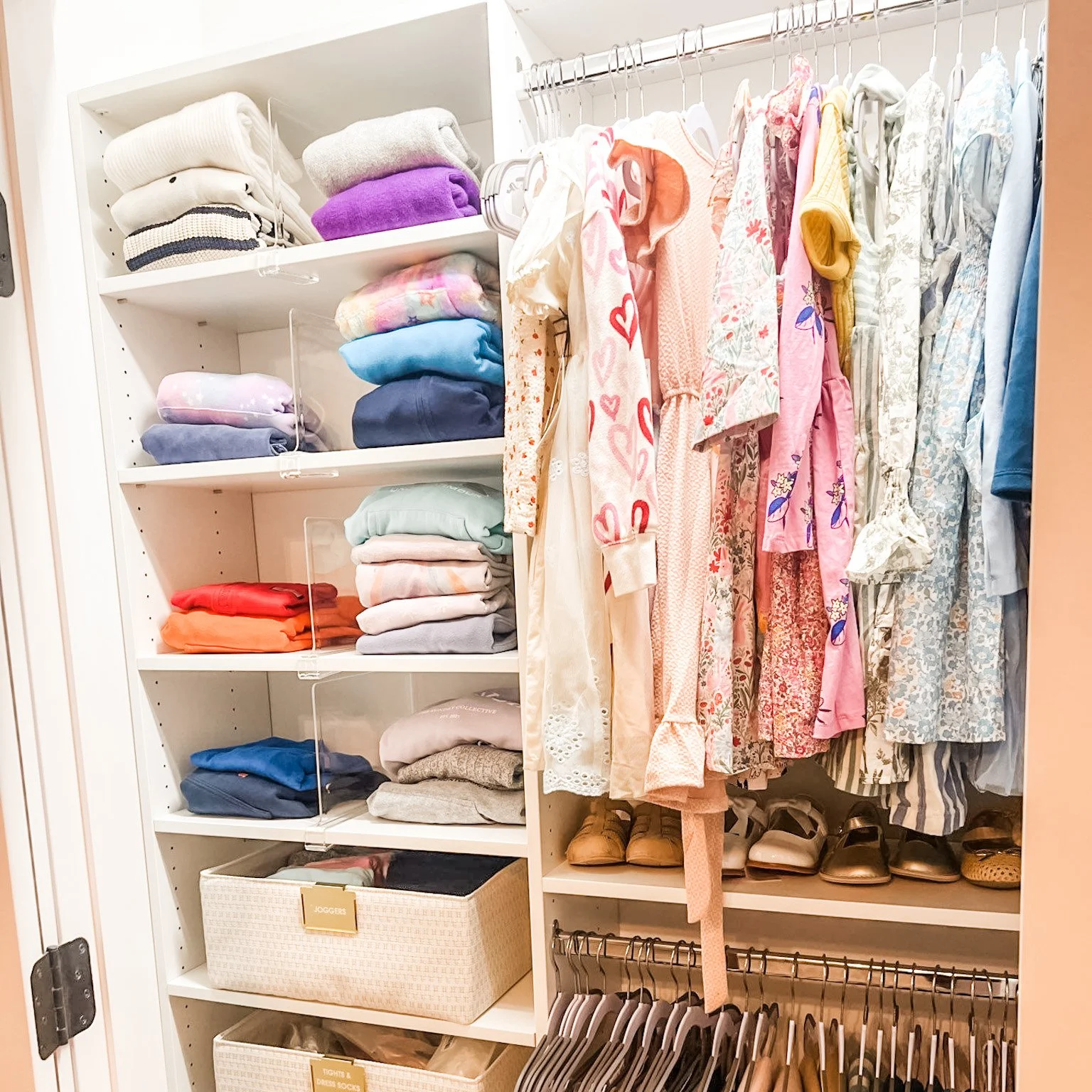
Orange County’s coastal environment can be tough on luxury fabrics. Humidity, salt air, sunlight, and poor airflow may affect clothing, leather, suede, and delicate textiles over time.
Start by avoiding overcrowding. Clothes need space for air to circulate. When garments are packed too tightly, moisture and odors can become trapped. This is especially important for natural fibers such as silk, linen, wool, and cashmere.
Remove plastic dry-cleaning covers before returning items to the closet. Use breathable garment bags for delicate or special occasion pieces. Keep leather and suede away from direct sunlight to reduce fading and drying.
For folded knits, use shelf dividers to prevent leaning stacks. Heavy sweaters should be folded rather than hung to prevent stretching. For long-term storage of special pieces, acid-free tissue can help preserve shape and reduce creasing.
If your closet feels damp, consider using moisture absorbers or a small dehumidifier. Regularly check for musty smells, mildew, or signs that items are not getting enough airflow.
When to Work With a Walk-In Closet Organizer
A walk-in closet organizer can help turn an overfilled closet into a customized system that fits your wardrobe, space, and daily routine. This is especially helpful if your closet looks organized for a few days but quickly becomes difficult to maintain.
A professional organizer can help with editing, categorizing, layout planning, product selection, labeling, folding systems, handbag storage, shoe zones, and luxury fabric care. Instead of forcing a generic system into your closet, the goal is to create a solution that works with how you actually live.
Working with a walk-in closet organizer can also be valuable after a move, a renovation, a lifestyle change, a wardrobe refresh, or a custom closet installation. Even a beautiful closet can feel frustrating if the layout does not match your habits.
Final Thoughts
Organizing a walk-in closet for Orange County weather is not about traditional seasonal packing. It is about creating a flexible, elevated, year-round system that supports coastal living, active routines, lightweight layers, and luxury wardrobe care.
With the right zones, thoughtful editing, and proper fabric protection, your closet can feel like a calm personal boutique every day of the year. Instead of digging through crowded racks or overfilled drawers, you can clearly see what you own, reach for what you love, and maintain your wardrobe with less stress.
Everyday Order helps create customized organizing systems that bring function, beauty, and calm into everyday spaces. For an Orange County walk-in closet, that means designing one that works with the weather, your wardrobe, and how you truly live.