
How to Organize a Small Kitchen with Limited Cabinet Space
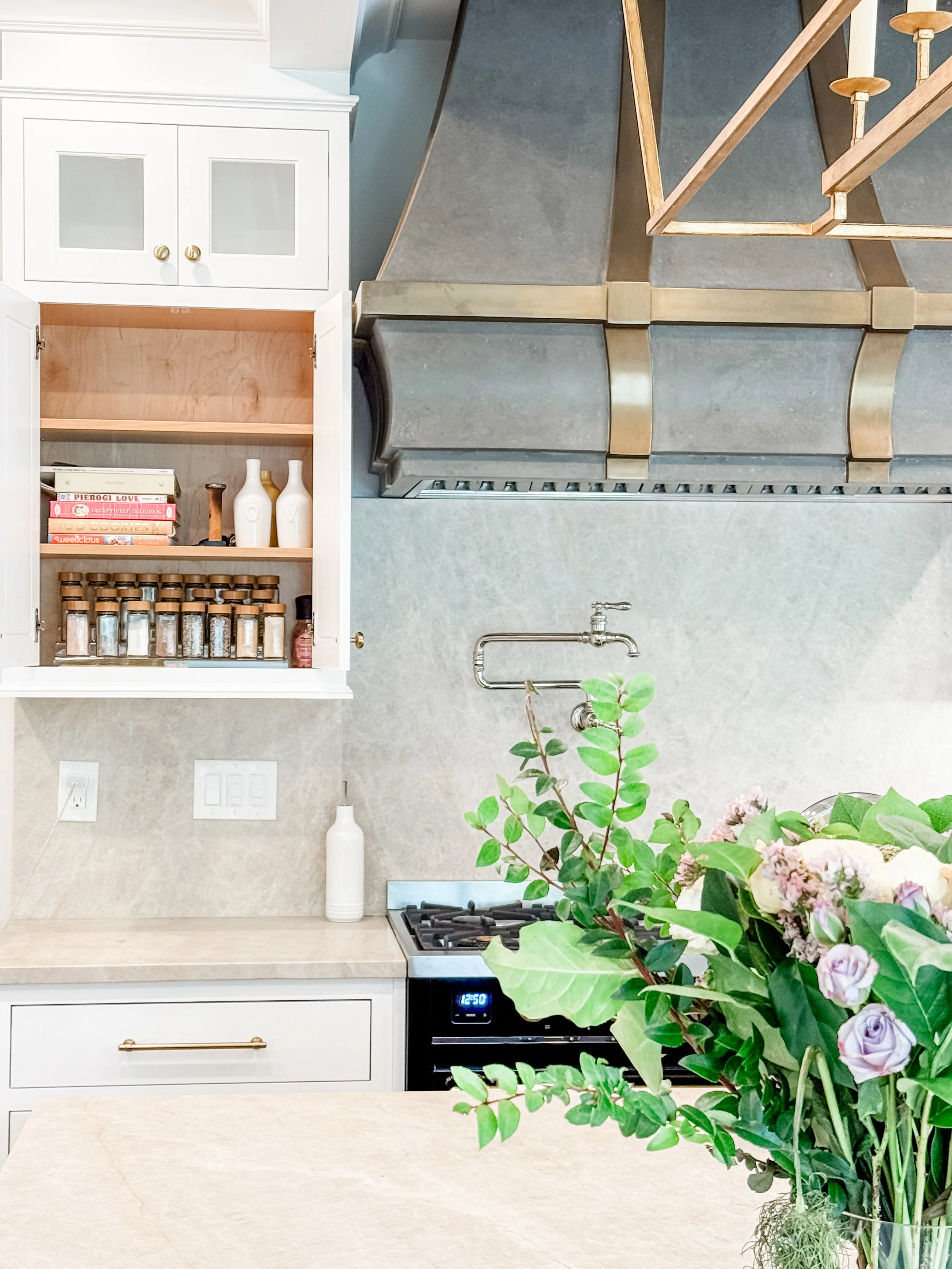
A small kitchen can start to feel crowded fast. When the cabinets are packed, the countertops start acting like extra storage zones; pantry stuff gets shoved behind each other, and then a simple meal turns into something that feels harder than it needs to be.
This is super common in tight coastal condos, apartments, and beach cottages, where square footage is scarce but daily storage demand is not. The good news is, you usually do not need a big renovation to make the kitchen feel roomier and work better, in a more practical way.
Getting into how to organize a small kitchen begins with cutting down what you have, then grouping similar pieces together and also making use of the full height and depth of every cabinet. These real-world steps will help you build a calmer, more organized, and efficient kitchen.
How to Organize a Small Kitchen with a Complete Reset
Before purchasing bins, shelf risers, or drawer dividers, remove everything from your cabinets and drawers. Work on one section at a time so the project does not become overwhelming.
Sort each item into four categories:
Keep in the kitchen
Relocate elsewhere
Donate or give away
Discard or recycle
Be honest about what you use. A specialty appliance used once every few years should not occupy the same valuable space as everyday dishes, cookware, or coffee supplies.
Check expiration dates, combine duplicate products, and remove chipped dishes, lidless containers, and unused utensils. This first stage of decluttering small spaces creates room before you add any organizing products.
Once you know what you are keeping, wipe down the shelves and measure each cabinet. Accurate measurements prevent you from buying organizers that are too large, too small, or difficult to use.
Small Kitchen Storage Solutions Based on Daily Routines
The most effective small kitchen storage solutions support the way you naturally move through the room.
Create zones based on everyday activities. Keep mugs, coffee, tea, and sweeteners near the coffee maker. Store plates, bowls, and glasses close to the dishwasher. Place cooking oils, spices, and utensils near the stove.
Food-preparation tools should stay close to your main workspace, while lunch-packing supplies can be grouped in one cabinet or drawer.
Frequently used items should be stored between waist and eye level. Reserve higher shelves for seasonal dishes, backup supplies, and less-used appliances. Heavy items are generally safer in lower cabinets.
Grouping items by activity also makes the kitchen easier to maintain. When every category has a clear home, everyone knows where things belong.
Cabinet Organization Hacks for Vertical Storage
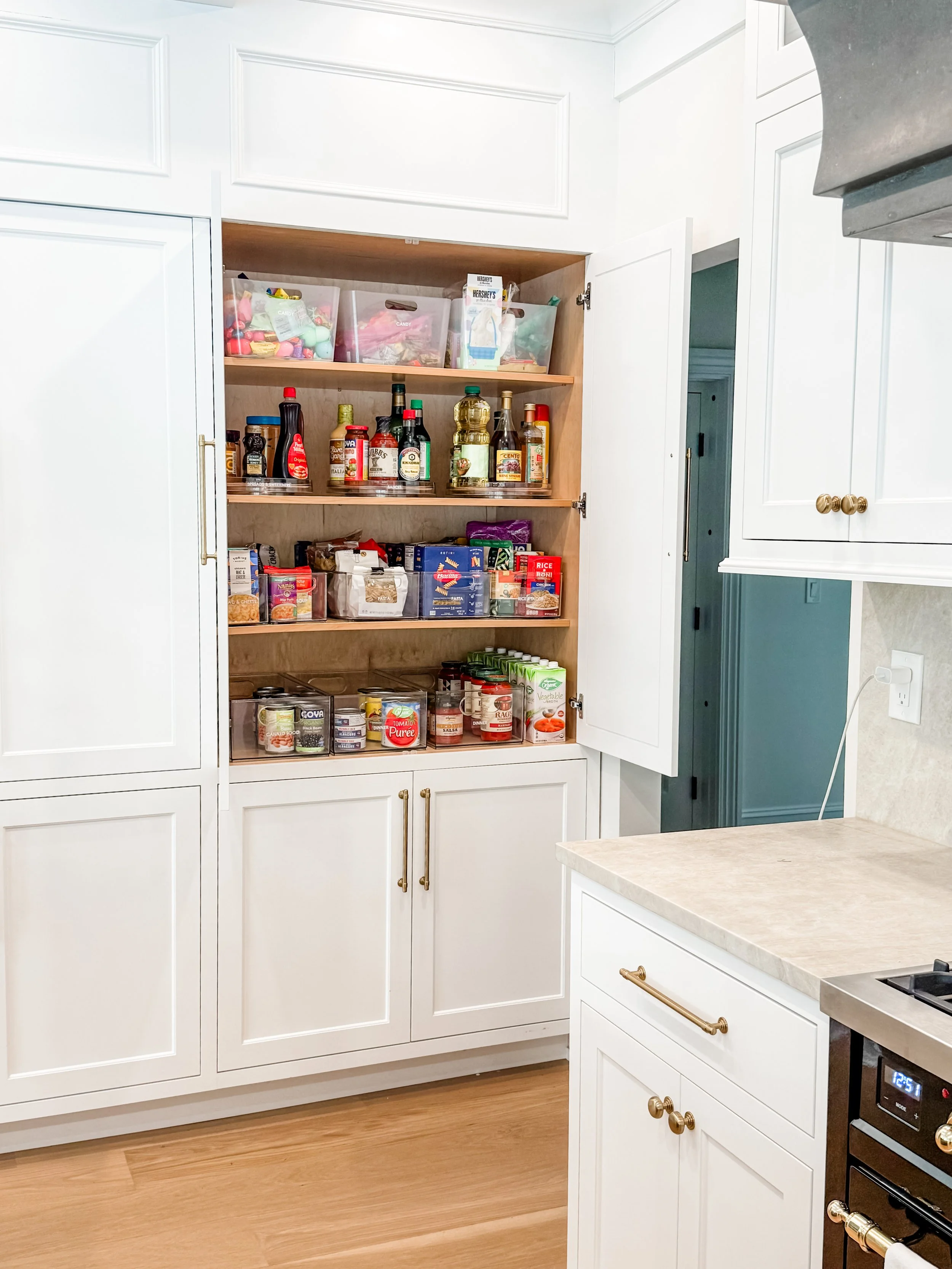
One of the most common mistakes in a compact kitchen is treating each shelf as a single flat surface. Most cabinets have unused space above dishes, mugs, and pantry products.
Use these cabinet organization hacks to maximize vertical space.
Use these cabinet organization hacks to maximize vertical space.
Add Shelf Risers
Shelf risers give you extra storage height, like an extra level or “tier”. Use them to separate dinner plates from smaller ones, put mugs above bowls, or organize shorter pantry containers under taller items. Pick risers that are steady, won’t wobble, and match your cabinet's width and depth.
Use Under-Shelf Baskets
Under-shelf baskets slide onto an existing shelf and use the space below it. They work well for napkins, reusable bags, dish towels, wraps, or lightweight coffee supplies.
Store Flat Items Vertically
Use vertical dividers for cutting boards, baking sheets, muffin tins, pot lids, and serving trays. Vertical storage prevents items from becoming buried and makes everyday access easier.
Adjust Cabinet Shelves
Many cabinet shelves can be repositioned. Adjust them to match the heights of the items you actually own instead of accepting the original spacing. A small change can eliminate wasted space.
Use Cabinet Doors
The inside of a cabinet door can hold measuring spoons, pot lids, cleaning gloves, wraps, or small spice containers. Choose shallow organizers and make sure they clear the shelves when the door closes.
Under-Sink Small Kitchen Storage Solutions
The cabinet under the sink ends up being kinda a gathering place for cleaning products, trash bags, and a pile of random supplies. The plumbing makes the whole zone feel a little odd, but with a simple setup, it can become way more functional. Start by removing the items that really don’t belong in the kitchen, then sort the rest into neat, labeled bins. You can end up with separate containers for daily cleaners, dishwasher stuff, sponges, and trash bags.
Handled bins allow you to pull out an entire category instead of reaching around plumbing pipes.
A tension rod can hold spray bottles by their triggers, freeing the cabinet floor for drawers or containers. Stackable drawers can store dishwasher tablets, microfiber cloths, gloves, and small cleaning accessories.
You can also stick a door-mounted caddy for trash bags or those tools you use kind of a lot. Always check for any leaks before you start organizing, and try not to put paper products directly under plumbing connections. It’s better to keep things a bit farther, you know.
Apartment Kitchen Organizing Beyond the Cabinets
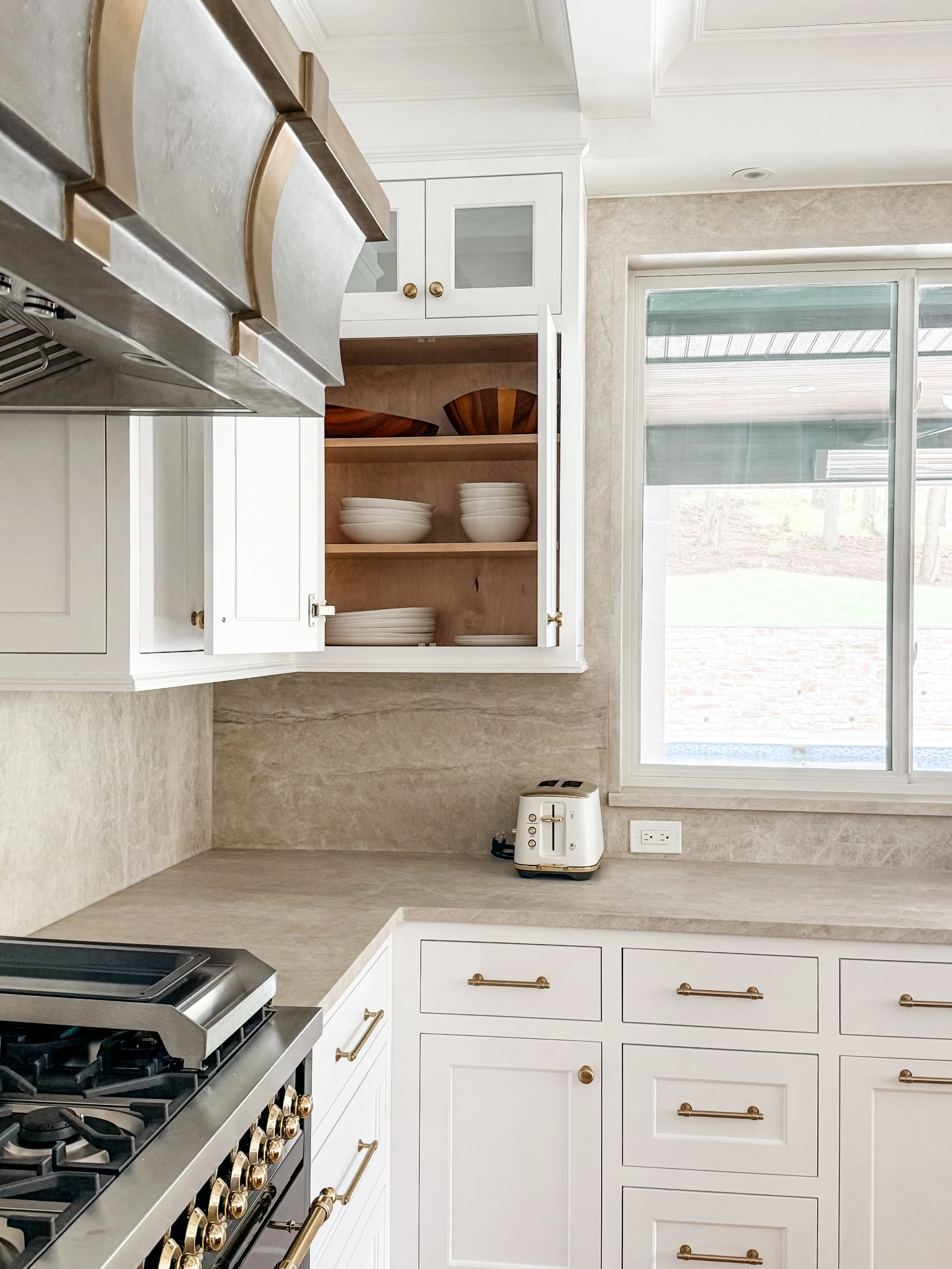
Successful apartment kitchen organizing often requires you to look in places outside the “normal” cabinets… or, you know, what you expect. A narrow rolling cart can stash pantry basics, fresh produce, baking supplies, or those small appliances that always seem to hide somewhere.
It might tuck right beside the refrigerator, or it can quietly slide into some unused gap you almost overlooked. You can also go with wall-mounted rails for cooking utensils or lighter pans, and magnetic shelves can make a decent landing on the side of a refrigerator. If you’re a renter, removable hooks are kind of a lifesaver, since they let you use wall or cabinet space without doing permanent changes. Minor, but it helps.
On the countertops, keep it selective, not just empty. Leave out only the appliances and tools you use daily; everything else should be put into a designated cabinet or storage zone. And if you go with open storage, use matching containers or at least coordinated ones. That visual consistency helps a compact kitchen feel calmer, less busy, and generally less cluttered.
Decluttering Small Spaces by Controlling Inventory
Organizing products isn't going to fix the actual issue when your kitchen has more stuff than it can comfortably take in. In the long run, keeping things together really depends on controlling your inventory, like the amount you keep around, not just where you put it.
Avoid buying in bulk unless you have a designated storage area. Check your cabinets, refrigerator, and freezer before shopping to prevent duplicate purchases.
Set practical limits for categories that tend to multiply. For example, keep only the number of food storage containers that fit neatly in one drawer or bin. Store lids vertically in a divider so they remain visible.
For mugs, water bottles, kitchen gadgets, and serving pieces, use a one-in, one-out rule. So, when a new item shows up in the kitchen, ask if an older item can be donated, kind of quietly, like you are trying not to make it a big thing. Also, do a short monthly reset; it helps keep everything functional. Put back misplaced items, take away expired food, merge duplicates, and then revisit the crowded categories.
Organize Kitchen Drawers and Countertops
Drawer dividers help keep utensils, measuring tools, and food-storage accessories from getting tangled into one another. In deep drawers, adjustable dividers also work to keep cookware and containers from sliding into those messy little piles. Using trays on countertops is another straightforward way to set clear boundaries. A tray can hold oils near the stove or keep coffee supplies beside the coffee maker, so everything feels intentionally placed. It also means you can gather the items at once for cleaning rather than sorting them piece by piece.
Consider replacing bulky countertop storage with space-saving alternatives. Knives can be stored in an in-drawer organizer, while paper towels can be mounted beneath a cabinet.
Make Your Small Kitchen Feel Larger
A well-organized kitchen is not the one with the most storage products. It is the one where frequently used items are easy to reach, every category has a logical home, and unnecessary belongings are no longer competing for space.
If you start with decluttering, you can create activity zones and, yes, maximize vertical storage too. Even those tricky nooks like the under-sink cabinet can become surprisingly calm, like a well-running machine, so the whole small kitchen feels both efficient and sort of breezy.
The goal is not to fill every available inch. The goal is to create enough breathing room for your kitchen to support your daily routines.
Create a Kitchen That Works for You
Ready to create an organized kitchen designed around your lifestyle?
Everyday Order makes customized organizing systems that bring a bit more function, beauty, and ease to homes across Orange County. So book your free consultation today, and take the first step toward a kitchen that finally works for you.