
What Should You Declutter Before Moving to Your New Home

Moving is a natural moment to decide what actually deserves room in your next chapter. Every single thing you pack takes time, adds effort, needs boxes, and can even lead to extra moving costs. If you choose what stays before packing even starts, the whole trip feels lighter, and you get a cleaner start in your new home.
The best way is to go category by category, instead of trying to chew through the entire house at once. Make four distinct clusters for what you will keep, donate, sell, or discard. Start with the easier calls, build up momentum, and keep sentimental belongings for later, until you feel more certain.
Why You Should Declutter Before Moving
When you declutter ahead of moving, you avoid paying to transport items you no longer really use. You also lower the number of choices waiting for you later, during unpacking. With fewer belongings, it becomes simpler to plan storage, organize each room, and build routine systems that match your everyday habits.
Try to start several weeks before the move, if possible. Finish one small spot at a time, like a
drawer, shelf, cabinet, or even a clothing category. Short sessions can feel more manageable than long sorting stretches, especially since the move is already packed with scheduling, paperwork, and family responsibilities.
How to Declutter Before a Move Without Feeling Overwhelmed
Learning how to declutter before a move begins with a simple decision process. Pick up each item and ask whether you use it, need it, enjoy it, or have a specific place for it in the new home. When the answer is no, decide whether it should be donated, sold, recycled, or discarded.
Aim for a realistic selling deadline, like 1 to 2 weeks before move day. For the more valuable items, it can make sense to list them, yet the low-value stuff often turns into more of an extra hassle than it ever gives back. Try to arrange donation drop-offs or pickup times early too, so the unwanted belongings don’t just hang around your home right up until moving day, and you’re stuck thinking about it at the last minute.
Things to Declutter Before Moving From Your Kitchen
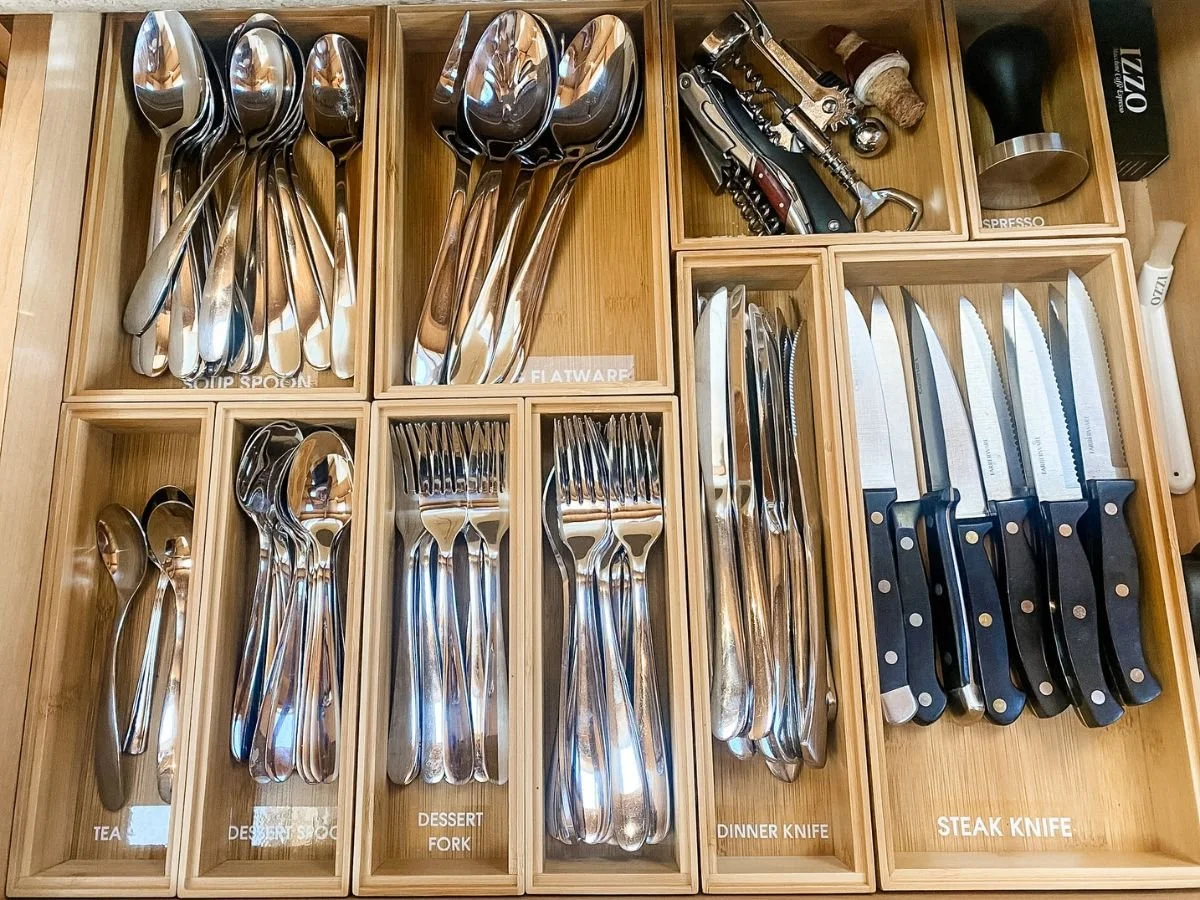
The kitchen tends to have duplicates, expired food, specialty tools, and appliances that seem to basically never leave the cabinet. Start with the food, look around a bit, then toss anything expired, ok. After that, donate the unopened pantry goods you know you won't use before the move.
Then, go through the duplicate utensils, cookware, storage containers, mugs, and serving pieces. Keep what you actually reach for most of the time; the rest can go. Let go of chipped dishes, warped pans, missing container lids, and those gadgets that promise solutions to problems you do not even have.
Consider your new kitchen layout. Large appliances and oversized serving pieces may not make sense when cabinet or counter space is limited. Keeping only useful items makes professional unpacking faster and helps create a functional kitchen from day one.
What to Get Rid of When Moving From Closets
Clothing is one of the clearest answers to what to get rid of when moving. Remove items that no longer fit, feel comfortable, suit your lifestyle, or get worn regularly. Avoid packing clothing simply because it was expensive or might become useful someday.
Review shoes, handbags, coats, accessories, and those special occasion pieces separately. Replace damaged hangers and take out the dry-cleaning bags before you start packing. Donate wearable items that are still good, recycle textiles when programs are available, and toss pieces that are stained or just beyond repair.
A lighter wardrobe helps your new closet feel more spacious instead of crowded. It also makes it easier for organizers to see what you actually own so that you can set up zones for workwear, casual clothing, accessories, and seasonal items.
Things to Declutter Before Moving From Bathrooms
Bathrooms seem to gather expired stuff pretty fast, so don’t wait. Go through medications, makeup, sunscreen, skincare, hair products, and even first-aid supplies. Also, follow your local disposal instructions for things that really should not go in household trash, or worse, down the drains.
Then, get rid of empty bottles, old samples, worn towels, broken tools, and products you tested but just did not like. Try to keep a tiny essentials kit outside the packed boxes, so during the whole move your family still has toiletries, medications, towels, and some basic cleaning supplies ready to grab.
What to Get Rid of When Moving With Children
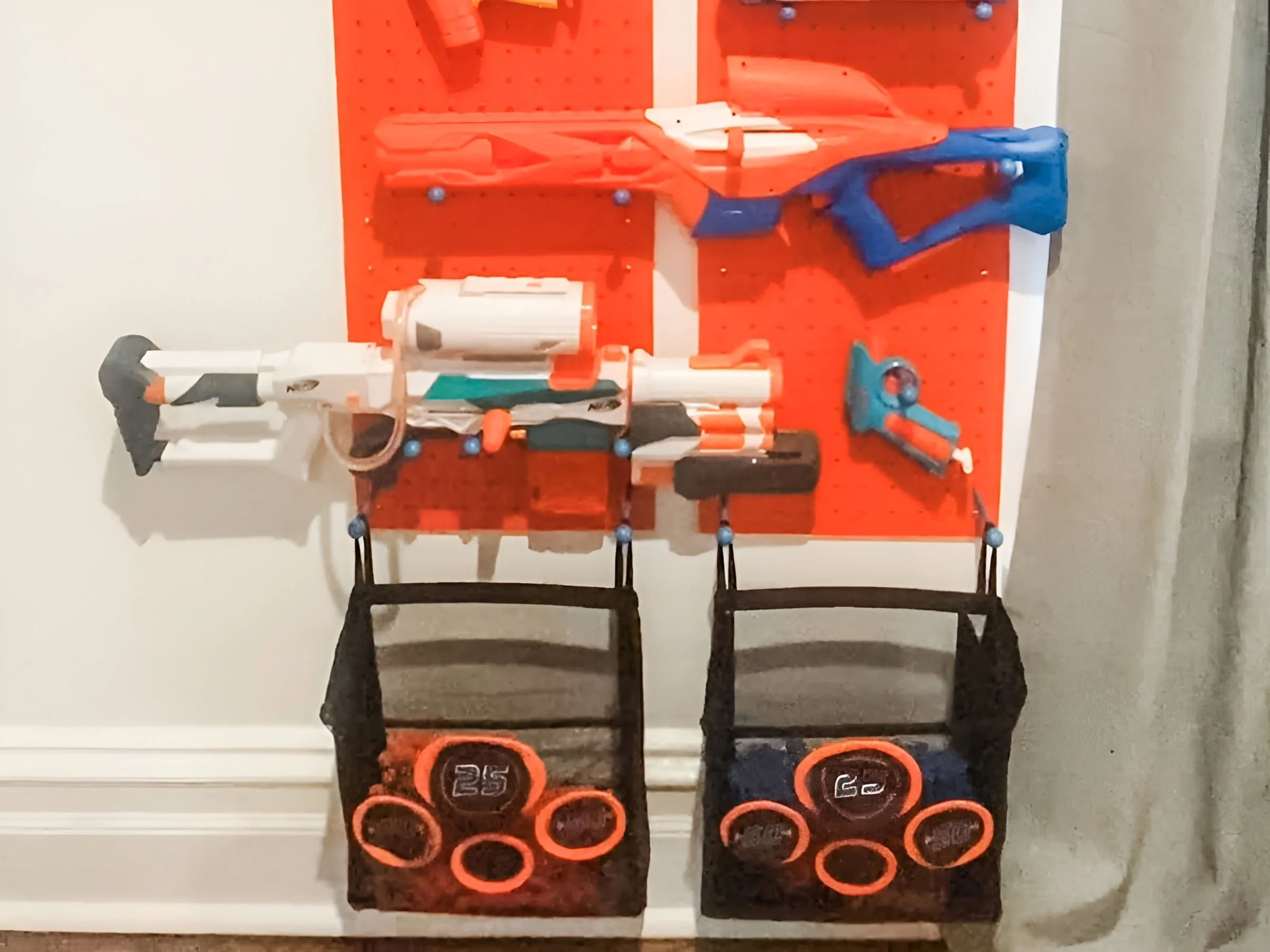
Kids tend to grow out of clothes, toys, books, and equipment quicker than most homes can really keep track of them. Try sorting everything by age and by what’s being used right now. Donate the toys that are a full set and safe, recycle any torn or damaged papers, and toss the broken pieces that cannot be fixed no matter what.
Bring in older children too, but give them only limited options. Have them pick their favorite toys or books inside a defined box or bin. That way it stays upbeat, and they learn that holding on to what matters can be worth more than holding on to everything.
Also, set aside sentimental items in one clearly labeled memory bin, per child. Having a physical boundary helps keep the meaningful stuff without dragging out every school worksheet craft or outgrown outfit.
How to Declutter Before a Move in the Garage
Garages, attics, storage rooms- they tend to keep a bunch of forgotten stuff for years. Take a look at tools, sports equipment, holiday decorations, outdoor supplies, paint, chemicals, and unfinished projects. Also, don’t try to pack any hazardous materials that the moving company will not haul.
Chemicals, paint, batteries, and electronics should be handled through approved local programs. Donate anything usable and take away empty boxes, the ones you kept, maybe without any clear reason. Before you move the big pieces, measure those bulky items too, just to make sure they will actually fit in the new garage or storage area.
Things to Declutter Before Moving From Your Home Office
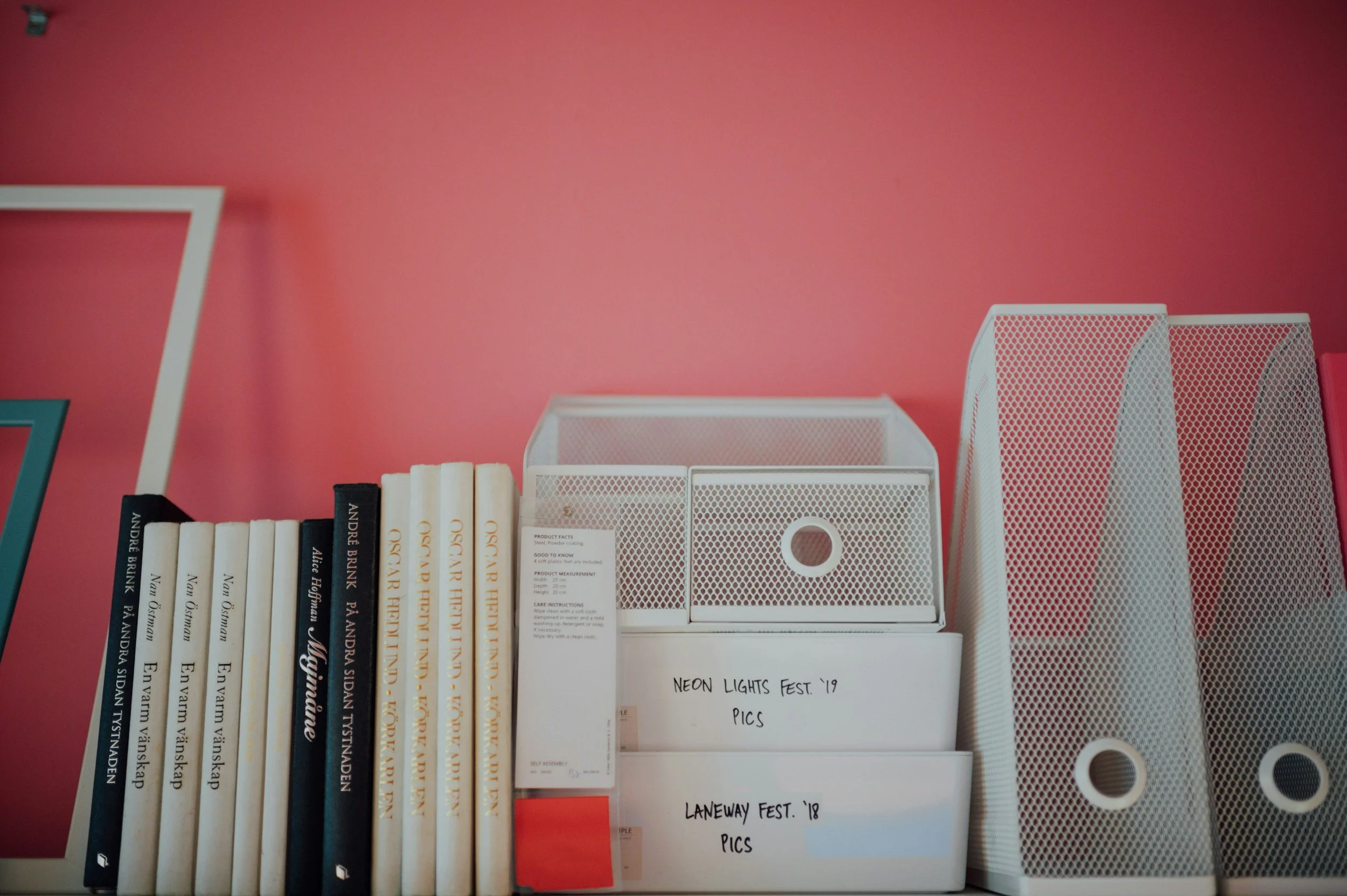
Shred documents that carry personal information, and then recycle the papers you don’t really need anymore. If you have stuff like tax, legal, medical, property, or identification records, keep them for now, following professional guidance and your own personal needs.
Test chargers, cables, electronics, and office equipment. Label the cords that belong to devices you are keeping. Recycle obsolete technology through an appropriate electronics program rather than placing it in regular trash.
Declutter Before Moving and Start Fresh
A thoughtful edit before moving reduces volume, protects your time, and makes unpacking more purposeful. Everyday Order can help you sort, plan, unpack, and organize your new home with systems designed around your family. Explore our concierge relocation and unpacking services, then schedule a consultation to begin your move with less stress and more clarity from the very first day.