
Overcoming the Paperwork Trap With a Secure Home Filing System
Paper comes into the home from basically every direction. Bills show up in the mail, children bring home school forms, medical offices drop off statements, and key financial documents stack up little by little over the whole year. Even households that do most things online can still get quickly surrounded by receipts, notices, tax records, warranties, and forms that need attention.
The thing is, it's usually not a motivation problem. Paperwork often carries private information, retention rules can be unclear, and some decisions simply cannot be handled right away. One pile turns into several piles, and after a while the whole collection starts to feel too intricate to even deal with.
A safe home filing setup can turn that stress into something routine and more manageable. By using sensible categories, secure storage, and a straightforward method for anything that comes in, families can keep important details protected while also cutting down on clutter and that mental overload feeling.
Why Paper Clutter Organization Feels So Difficult
Paper is more emotionally demanding than many other types of clutter. A stack of clothing can usually be sorted by fit and condition. A stack of documents may contain tax information, medical details, sentimental schoolwork, unpaid bills, and records that could be needed years from now.
This mixture creates decision fatigue. Homeowners tend to worry about accidentally tossing something important, revealing confidential info, or creating a setup they will not actually keep up with. As a result, papers get shuffled from the kitchen counter to a desk, then slowly from the desk into a box or cabinet.
Effective paper clutter organization takes those choices and breaks them into smaller steps.
Rather than treating every single page as one huge project, papers can first be sorted by purpose. Immediate actions, permanent records, reference materials, sentimental items, and papers that are ready for shredding should each follow a different road.
How to Organize Household Paperwork Without Becoming Overwhelmed
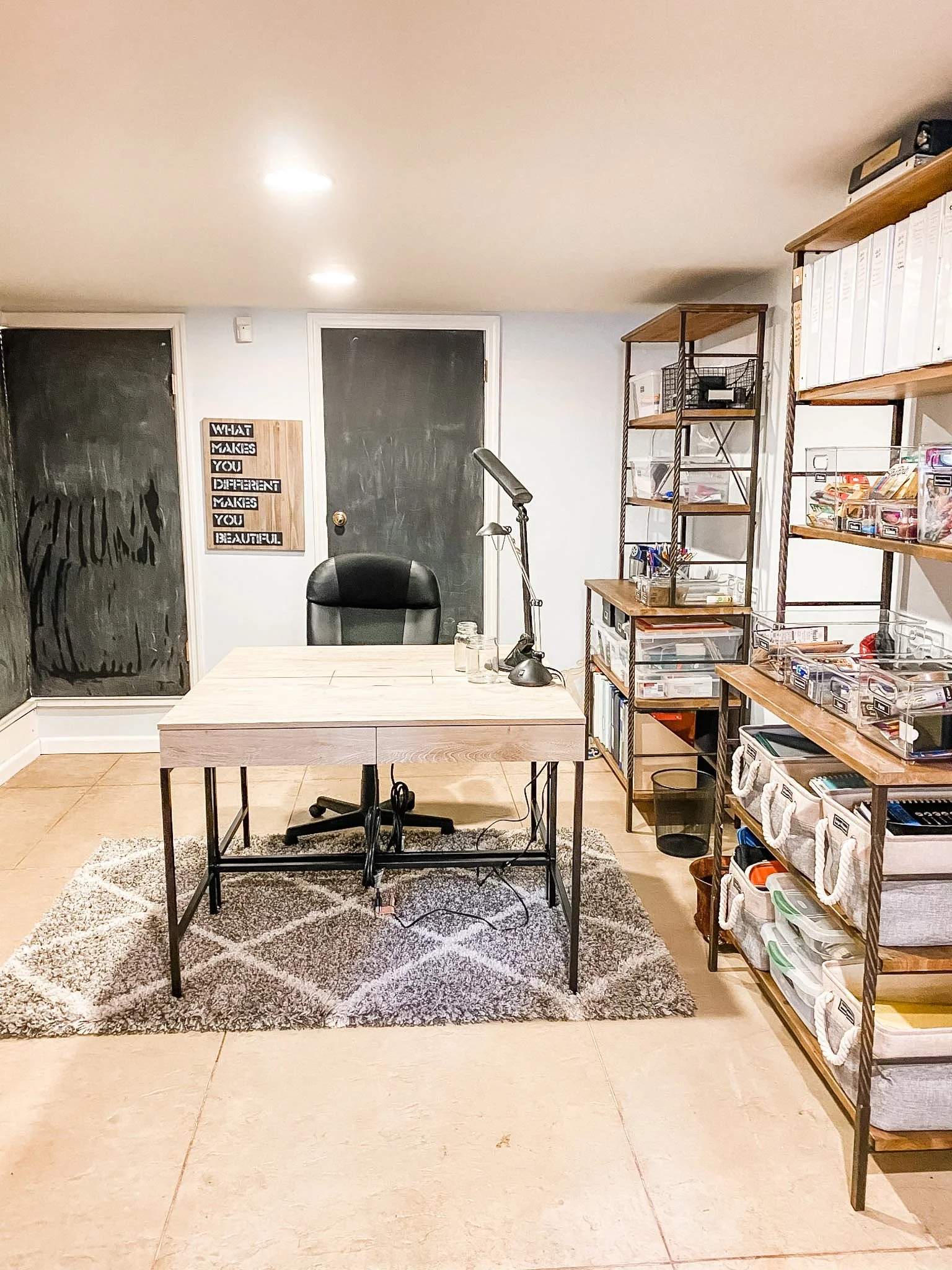
Learning how to organize household paperwork begins with gathering it into one working area. Check countertops, desk drawers, bags, closets, filing cabinets, and any boxes where mail has accumulated.
Get four cardboard boxes to capture paper. One for papers you want to file away, one for to-do/papers that require your action, one for shred, and one for recycling. Touch each paper one time and place it into one of these four boxes. It’s so easy to want to think ahead to what you’ll do with all the paper, but stay focused and stick with the task at hand.
Large paperwork projects do not need to be completed alone. Everyday Order’s home organization services provide hands-on support for decluttering, sorting, space planning, and creating practical systems that fit daily life.
Building a Home Filing System Around Real Life
The most effective home filing system is not necessarily the most detailed one. It is the system every member of the household can understand and use.
Too many categories can make filing feel like a test, and honestly a bit exhausting. Too few categories can also be a problem, because then the folders get so broad that documents are harder to track down later.
Use labels with familiar words rather than complicated abbreviations or fancy shortcuts. Organize files alphabetically and keep all tabs to the left. This makes it easier to add files in the future and easier for your eye to scan to find the file.
How to Organize Important Documents Securely
Knowing how to organize important documents also means deciding which papers require stronger protection.
Passports, birth certificates, Social Security records, property deeds, estate documents, and other irreplaceable papers should not be mixed with everyday bills or school notices. Store them in a secure location that offers appropriate protection from unauthorized access, fire, water, or loss.
Really sensitive records should probably go in a locked, fire-resistant document safe. Some documents that get used fairly often but still hold personal details can be kept in a locked filing cabinet- I mean one that actually locks. The right approach depends on the record type and how frequently it’s needed, not just the label.
Make a household inventory list so it’s easy to see where critical records are kept. Trusted family members should know where to find the right papers during an emergency, but casual visitors and children should not have unrestricted access.
For digital stuff, having backups and copies can add another layer of protection if they’re stored in a secure, password-protected system. File names should clearly show what the document is and its date, so the record can be located quickly without opening a bunch of extra files.
Paperwork Organization for Mail, Bills, and Action Items
A filing cabinet alone will not solve paperwork organization. The household also needs a process for dealing with new papers before they become another backlog.
Create one designated landing area for incoming mail and forms. Recycle envelopes, advertising, and unnecessary inserts immediately. Move confidential papers that are no longer needed into a secure shredding container.
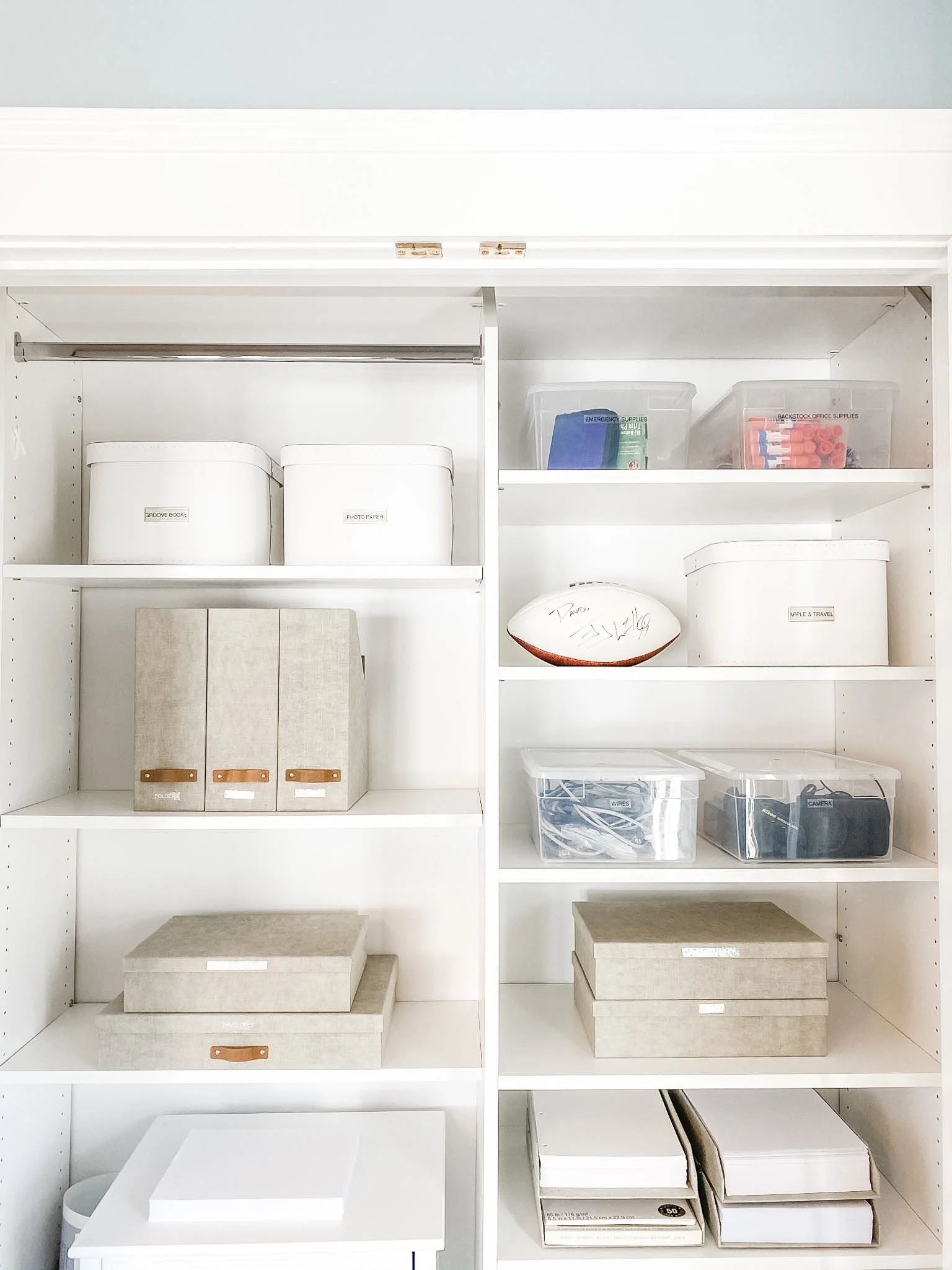
Separate remaining papers into three simple groups. These include items requiring action, documents that need to be filed, and papers waiting for another person’s response. We like to use magazine files to hold each of these groups.
Schedule a consistent time each week to process the action folder (I do mine on Friday!) and transfer completed records into the home filing system. A short weekly routine prevents the return of large, intimidating piles.
Families can also reduce incoming paper by switching suitable accounts to electronic statements and unsubscribing from unnecessary mail. Digital delivery should still be paired with an organized electronic filing process.
When a Professional Paper Organizer Can Help
Years of accumulated paperwork can take many hours to review. The project becomes even harder when documents are connected to a move, divorce, estate, business, major life transition, or a loved one’s belongings.
A professional paper organizer gives you that structure, the extra attention to detail, and a calmer decision path. Not just stuffing random piles into folders, this type of organizer helps you see which categories actually matter, sets up an action system, gets documents ready for secure disposal, and builds a filing approach the household can keep using later.
Trust is a big deal here. Personal files can hold financial details, medical information, family records, and a lot of other confidential material. People need a professional who treats their home and all that information with care, discretion, and real respect, even when things feel messy.
Everyday Order is known for patient, judgment-free assistance and customized systems designed around the client’s routines. Homeowners seeking local support can learn more about working with a professional organizer in Orange County.
Maintaining Paper Clutter Organization Over Time
Paper clutter organization is easier to maintain when every document has a clear next step.
Keep the mail station limited to active papers rather than long-term storage. Empty the filing tray or magazine files regularly. Review folders once or twice a year to remove outdated records according to appropriate retention guidance. Avoid creating miscellaneous folders, since they often become permanent hiding places for unresolved decisions.
It also helps to assign responsibility. One adult may manage financial records while another handles school and medical papers. Shared systems should still be clearly labeled so information can be located when the usual person is unavailable.
For more ideas on creating functional household systems, explore the Everyday Order organizing blog.
Create a Home Filing System You Can Trust
A well-designed home filing system provides more than tidy folders. It gives homeowners confidence that important information is protected, current responsibilities are visible, and essential records can be located when needed.
The first step is not purchasing a cabinet or a collection of matching folders. It is understanding how paper moves through the household and creating a simple process for sorting, acting, filing, archiving, and securely discarding it.
Professional support can make a significant difference when years of accumulated papers feel impossible to address. With confidential, detailed assistance, families can work through the backlog and replace stressful piles with a secure system built for everyday life.
To discuss a paperwork project or whole-home organizing needs, book a complimentary consultation with Everyday Order.