
Simple Home Office Organization Hacks to Boost Daily Productivity
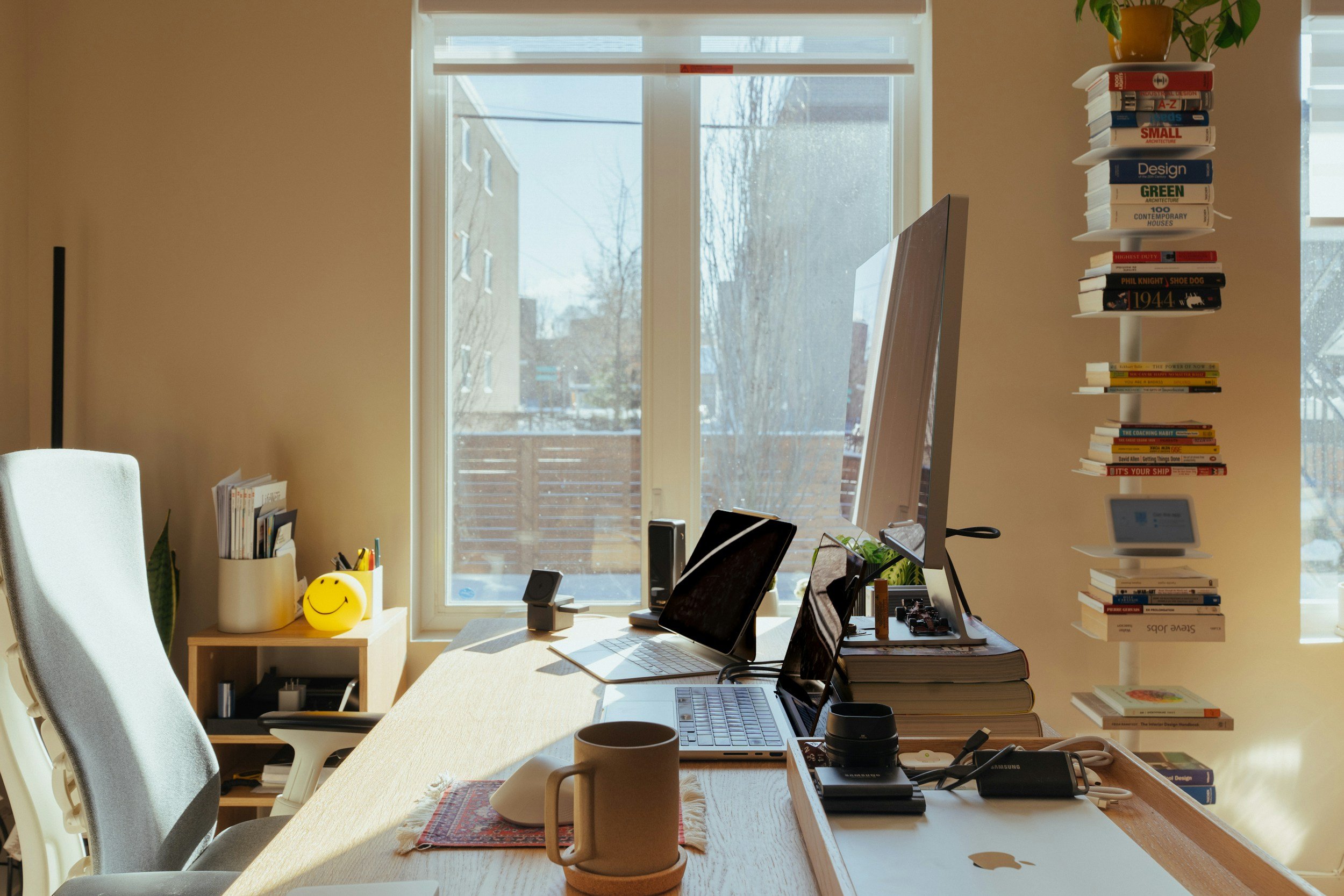
A productive workday often starts before you even open your laptop. When your workspace is easy to reach, reset, and keep clear, it becomes easier to settle into focus. Thoughtful home office organization can make a real difference in your routine.
You do not need a complete room makeover or organizing products. Small changes can improve how your office functions, reduce visual noise, and save time. The key is creating systems that match the way you actually work.
Home Office Organization Starts With a Clear Work Zone
Start by figuring out the main purpose of your workspace. If your office ends up mostly for focused computer time, then keep the space around your desk set aside for tools and things that actually support that specific kind of work, not random stuff. But if you use the same room for household paperwork, more creative endeavors, or even meetings, try to split it into separate zones, each tied to one activity.
Remove anything that does not belong in the office. Return dishes to the kitchen, move packages to their proper place, and relocate household items that have collected nearby.
Next, group similar office supplies together. Keep paper with paper, technology accessories together, and writing tools in one location. This sorting step makes it easier to see what you own and where each category should live.
Home Office Desk Organization That Keeps Essentials Within Reach
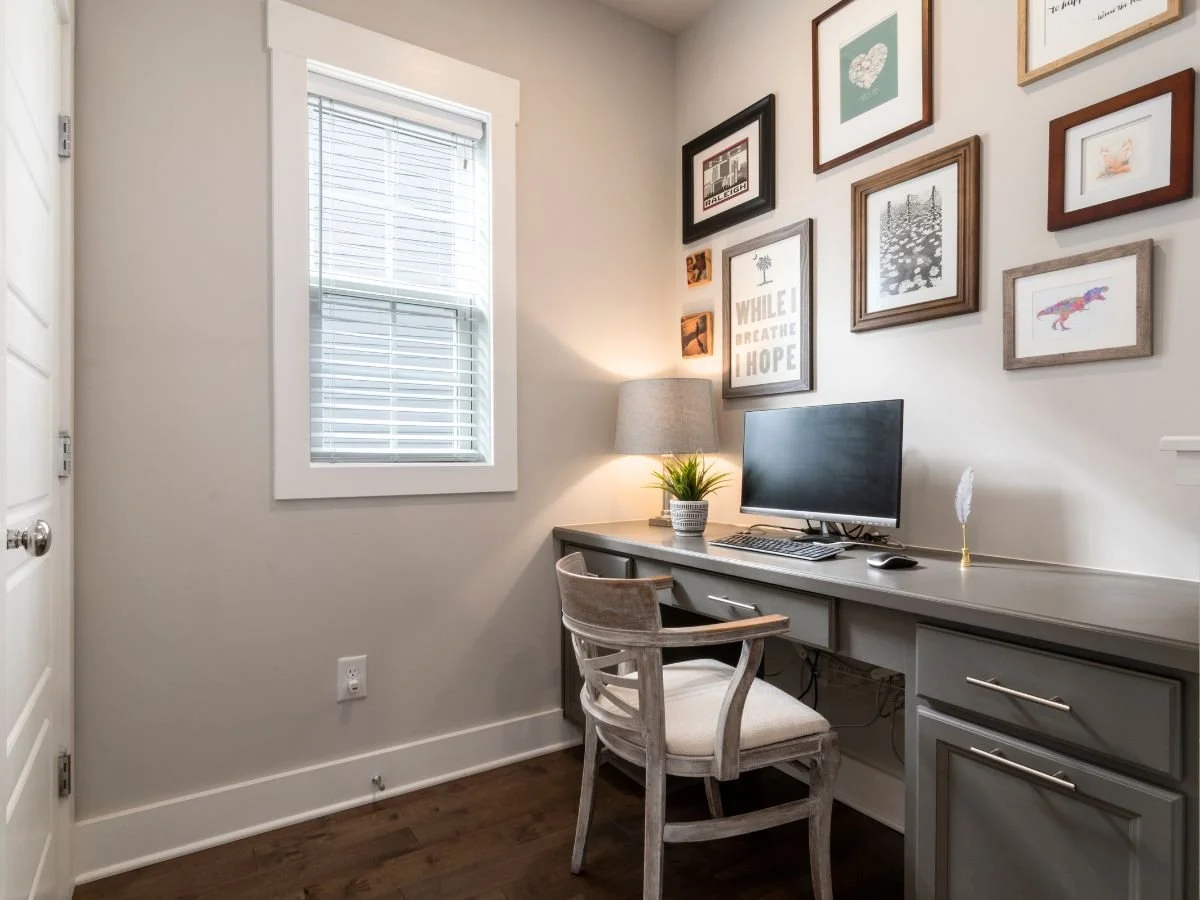
Good home office desk organization is less about making your desk look perfectly styled and more about making it easier to work.
Keep only the items you use frequently on the desktop. Your computer, a notebook, a pen, and a small tray for active paperwork may be enough. Supplies used occasionally can go in a drawer, cabinet, or nearby container.
Use drawer dividers to prevent pens, chargers, sticky notes, and clips from mixing. A desktop file holder can help if you regularly work with physical documents.
Create a simple rule for paper. Every piece should be acted on, filed, or discarded. This keeps paperwork from becoming a permanent stack on your desk.
At the end of the workday, spend two minutes returning items to their assigned places. A quick reset gives you a clean starting point the next morning.
Home Office Storage Ideas That Use Space More Efficiently
The best home office storage ideas make use of the space you already have before adding more furniture.
Look upward first. Floating shelves, wall-mounted organizers, and tall bookcases provide storage without taking over floor space. Use accessible shelves for items you reach for and reserve higher shelves for archives or supplies used less often.
Closed storage is useful for those visually busy categories, you know. Like extra cables, printer supplies, notebooks, and paperwork can make a room feel cluttered pretty fast. Using cabinets, drawers, and bins helps keep everything contained while still giving the space a calmer, almost nicer appearance.
Before buying new containers, measure your shelves and drawers. Storage products work best when they solve a specific problem instead of creating another category to manage.
Organization Ideas for Home Office Paperwork and Digital Files
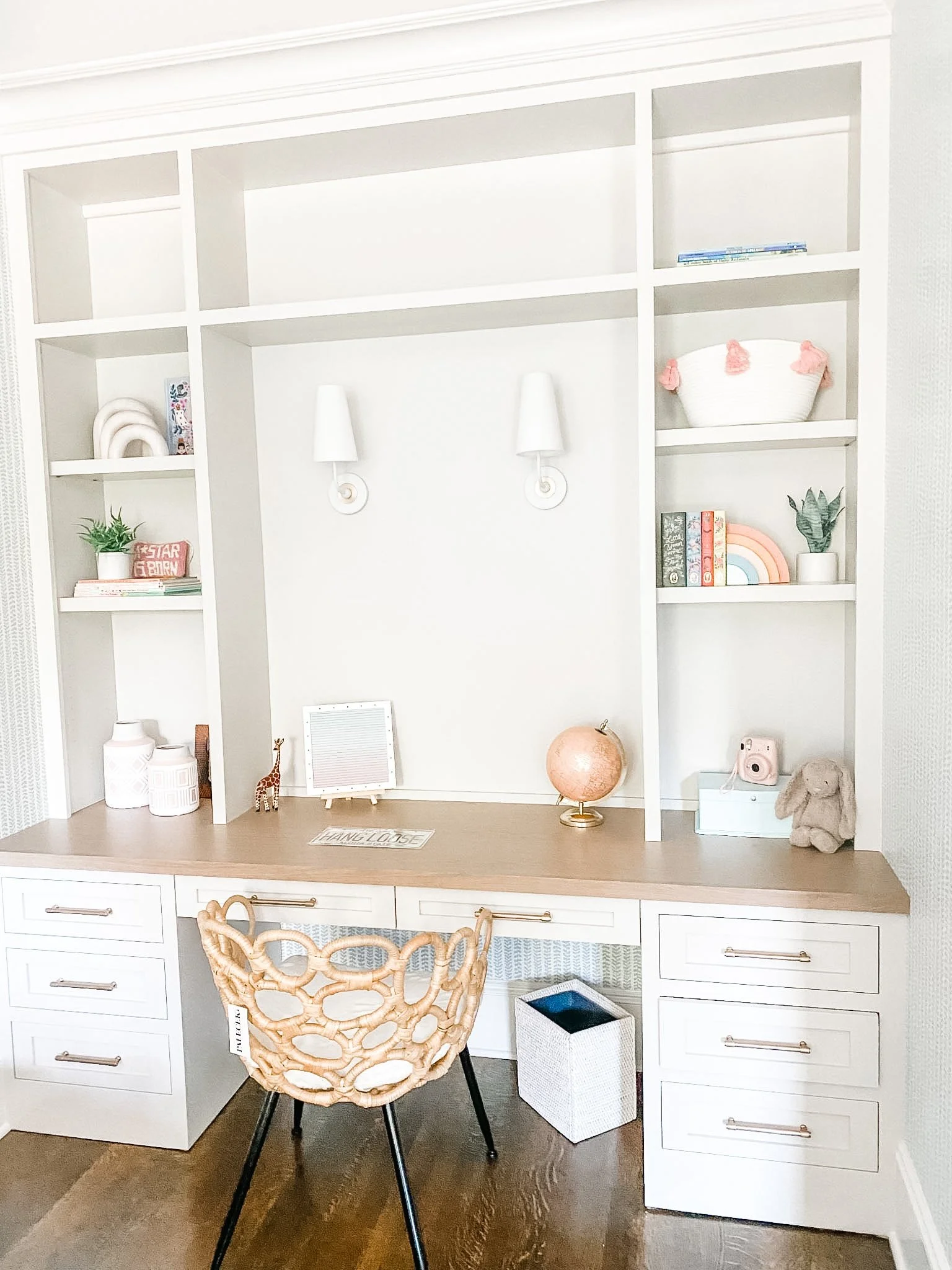
Some of the most useful organization ideas for home office spaces address both physical and digital clutter.
For paperwork, create broad categories that are easy to maintain. You might use folders for current projects, household records, financial documents, and items that require action. Avoid creating so many categories that filing becomes complicated.
Set a steady time to review paperwork, and remove what you no longer need. It’s kinda easier to follow a weekly routine than to deal with months of collected paper that just builds up.
For digital items, give it the same amount of care; don’t skip it. Clear out unnecessary files from your desktop, keep folder names consistent, and set a dependable spot for active projects. Also unsubscribe from emails you don’t actually read, and archive messages that no longer need your attention.
How to Organize a Small Office Space Without Making It Feel Crowded
Learning how to organize a small office space starts with being selective about what deserves room near you.
Choose furniture that fits the scale of the room. A large desk can overwhelm a compact office. A slimmer desk paired with vertical shelving may give you more usable space.
Use overlooked areas such as the back of a door, the wall above your desk, or the space under a work surface. Keep visual clutter to a minimum. Too many containers, decorative objects, and open shelves can make a small room feel busier. Leave some space on shelves and surfaces so the office feels comfortable rather than packed.
How to Prevent Clutter With Simple Daily Habits
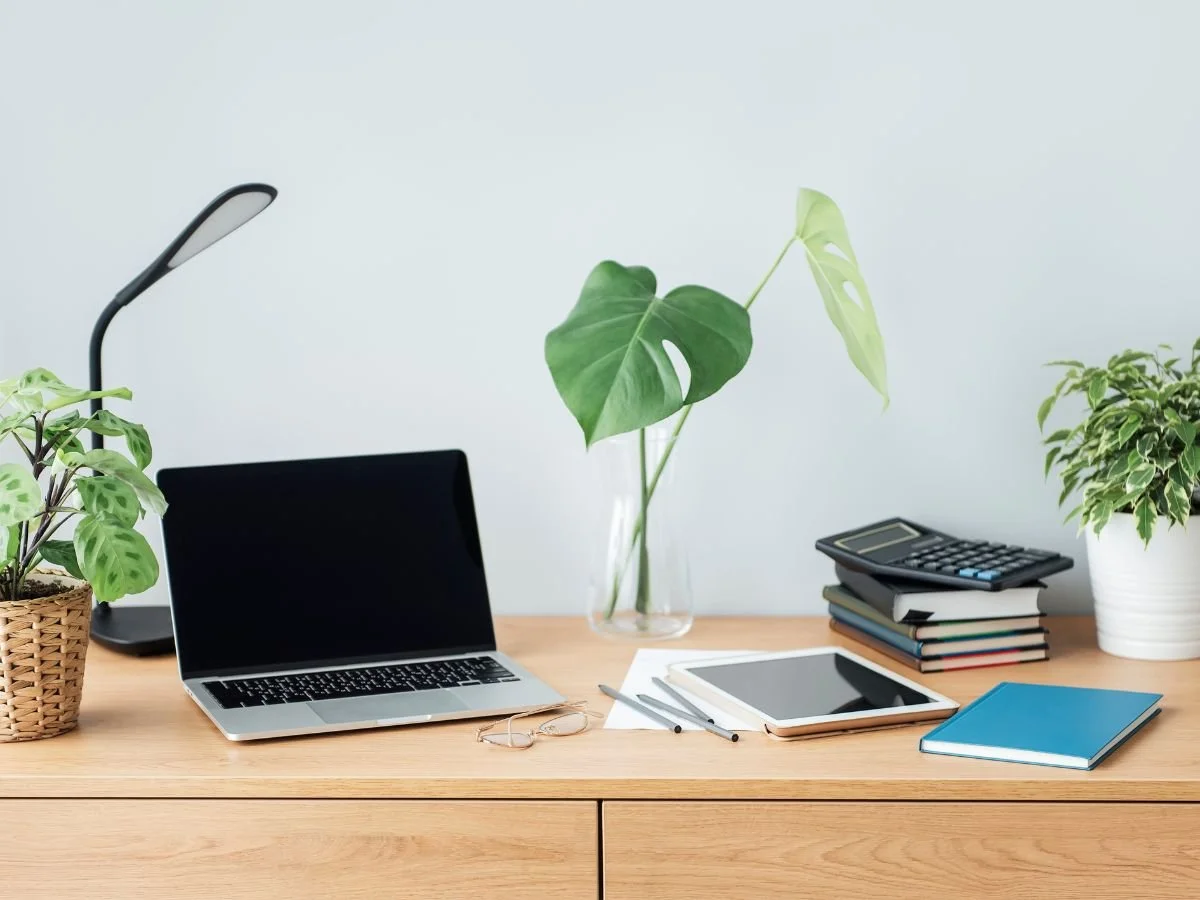
If you want to know how to prevent clutter, focus on routines that make putting things away easy.
Give every frequently used item a clear home and keep that home close to where the item is used. If you charge devices at your desk, create one charging area instead of allowing cords to spread across the room.
Use a one-in, one-out mindset for office supplies. Before adding another notebook, organizer, or piece of equipment, decide whether something else can be used up, donated, recycled, or removed.
Schedule a short weekly reset. Clear your desk, empty the trash, file papers, return supplies, and review anything waiting for action. These habits prevent clutter from growing into a larger organizing project.
Make Home Office Organization Work for Your Routine
The most effective office isn’t the one with the most storage or the prettiest containers. It's the one that quietly steadily supports your habits.
Notice where clutter just kind of shows up on its own. Those spots usually point to a system that's missing, or maybe it's too complicated to keep up with. Tweak the setup little by little until returning items feels easy and almost automatic.
Effective home office organization should reduce friction throughout your day. When tools are easy to find, paperwork has a clear path, and your desk is ready for focused work, you can spend less time managing your space and more time getting meaningful work done.
If your office or another area of your home needs a more complete reset, Everyday Order can help create practical organizing systems designed around the way you live. Explore their home organization services or book a consultation to start building a calmer, more functional space.